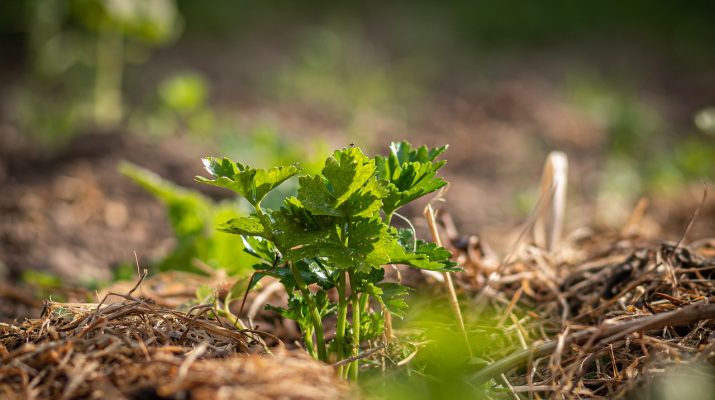
The best mulch is one that meets the particular demands of your garden – ticking the boxes of Weed suppression, Moisture retention, Soil nourishment and of course, cost effectiveness. Naturally, every type of mulch has its own strength and weakness and is best suited to different applications.
To know what is suitable for your garden purposes, know-how is important. This guide covers common types of mulch that you can use in your garden, such as around plants and pavements, and their benefits.
Material such as decaying leaves, bark, or compost that is spread around or over a plant to enrich or insulate the soil
Oxford Languages

Best types of Mulch
The best mulch is one that you can source from your own garden or home – recycling things like fruit orchard prunings, fallen leaves, lawn clippings, composted food scraps and vegetable plants after harvesting means you are mulching at zero cost.
Recycling mulching material also helps reinforce a positive nutrient cycle in your garden and prevents you from spending money on fertilisers and soil improver / conditioners. Throwing this organic matter away means you are throwing away precious nutrients, minerals and compost which could otherwise be going back into your soil and promoting future growth – recycling is a core principle of Permaculture and Sustainability.
Bark and wood chippings
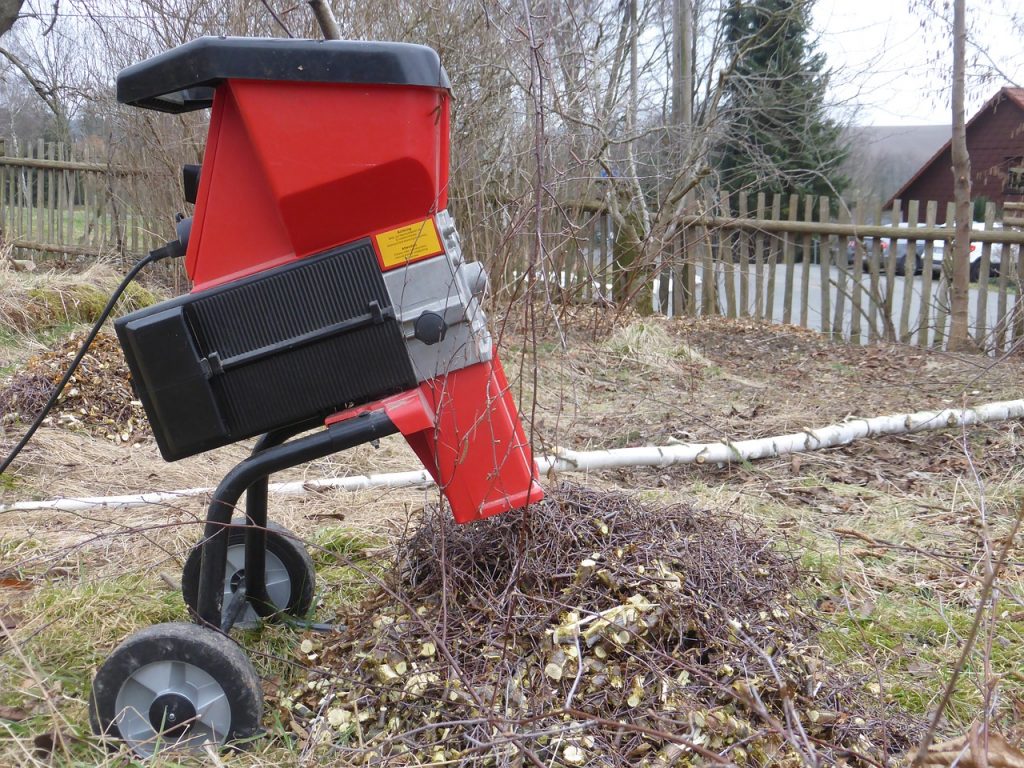
Bark and wood chips are manufactured from wood and cut trees. Mostly, after the manufacture of paper and lumber, the by-products get dried, dyed, and packaged to make bark and wood chips for sale.

The chips come in a variety of sizes; that’s small, medium, and large. For the best mulch, use mostly medium-sized materials – these last much longer than small wood chips, and aren’t too coarse for your garden which can cause issues with spreading density.
Bark and wood chips mulch best at the top of the soil. Mixing them with soil can be counterproductive for soil improvement, as chippings have high carbon contents that can cause a nitrogen shortage in the soil. This can lead to nitrogen deficiency in plants – so if you do plan on using a lot of wood chips, plan to supplement this with nitrogen rich mulches or fertilisers such as fish and seaweed emulsions.
While hardwoods chips work best on tree and flower gardens, softwoods like cedar are ideal for use in pavements. Hardwood barks nurture neutral soil acidity that’s best for plant growth. Softwoods add acidity to the soil.
Cedar softwoods like fir and pine trees, smell sweet, are beautiful, and takes long to decompose. This makes them best mulch for pavements and at times, larger trees and shrubs.
They take a long time to decompose and hence are pocket-friendly. Furthermore, they are often applied to pavements and gardens where soil improvement is not necessary – but gradually the bottom layer of the wood chips will decay and improve the soil
Pea straw
Pea straw is a natural light mulch hence a great option for seeded gardens. As a byproduct of a leguminous plant, pea straw emits high nitrogen content on decomposition hence offering a great alternative to landscapers who practice rotational legume plantation to enrich their soil with nitrogen.
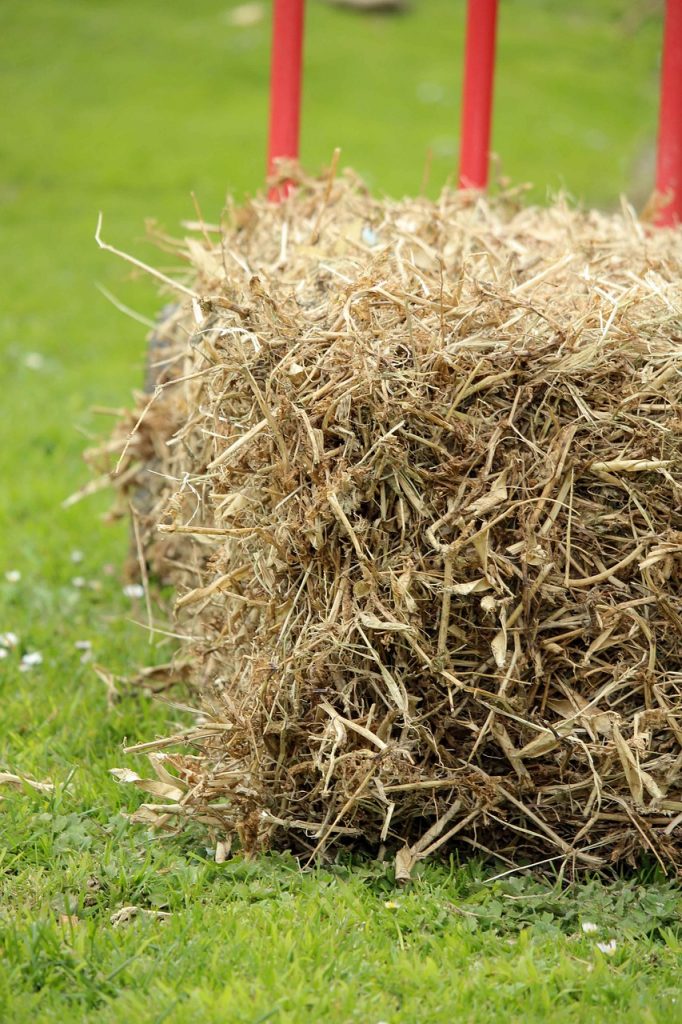
It’s perfect for garden vegetables, roses, shrubs, and flowers. Pea straw mulch boosts growth and withstands extreme weather such as heavy rains. The ability of pea straw to withstand harsh weather has made it best mulch for landscaping on steep terrain. The mulch is normally sold in bulk bales or bags, and is easy to transport owing to its light weight.
Additionally, Pea Straw offers good covering which prevents penetration of weeds and conserves moisture, and believe it or not its fairly stable even in windy conditions – just make sure to give it a good watering in to settle it down after you have mulched with it. Pea straw mulch is best suited for gardens that thrive in acidic soil or plants that tolerate a lower pH, such as roses or citrus.
The down sight of pea straw mulch is its decomposition duration. They take a short time to decompose and hence need a frequent top-up. Pea straw and hay are hard to distinguish. This is disastrous since hay often has seeds that may germinate as weeds in seeded lawns – buyer beware, do not by horse feed by accident!
Grass clippings and cut leaves
Grass clippings and shredded leaves join the list of best mulch at zero cost. Especially since they do not call for shopping.
Autumn seasons are renowned for raking up grass and leaves, but grass usually needs to be cut year around – especially in warmer months. To most people, the withered greenery and clippings is garbage and unfortunately this can end up in their bins and ultimately in landfill.
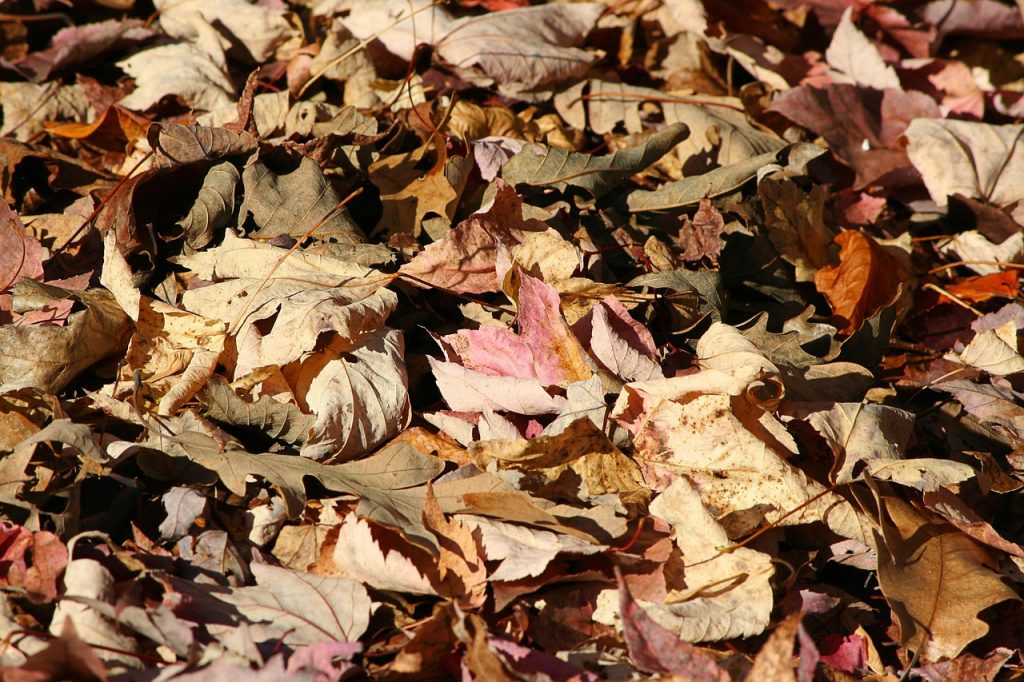
However, the foliage can be recycled and used around trees, shrubs, and garden beds, and grass clippings turned into thin layer cover on perennial beds and in vegetable gardens. This undertaking is normally done as a final step after weeding. Upon harvest, this top later of clippings or leaves can be mixed with in with the soil to provide organic matter content and soil enrichment.
Freshly cut shredded leaves and manure should first dry and then later sprinkled on the surface. Another way grass clippings and shredded leaves are reused is through simply leaving them on the surface – they decompose and get absorbed into the soil easily – when most commercial ovals and greens get cut, the grass is left in place to naturally decompose back into the soil and promote new growth.
Grass clippings and leaf matter above 1 inch can be raked and packaged in bags or composted for later mulching use elsewhere. It is worth noting that Grass clippings and shredded leaves function well in thin layers, but too thick of a layer can be damaging to your plants and can end up suffocating the soil and not allowing water to penetrate.

‘Juicy’ lawn clippings or leaves that are mulched too thick can begin to compost even on the surface and become quite warm – this could damage your plants. If mixed into the soil before they break down, this somewhat counter intuitively actually draws nitrogen out of the surrounding area as bacteria break them down – this could starve your plants.
Furthermore, it is a good practice to do away grass clippings infected with insects or invasive weeds – composting will help break down any weeds or seeds, since the high core temperature in your compost heap will cook them.
Paper materials
Newspapers and un-dyed cardboard mulch can protect pavements and gardens from weed and low soil temperatures. One can opt to personally recycle paper or purchase premade mulch paper from garden centers at affordable rates.
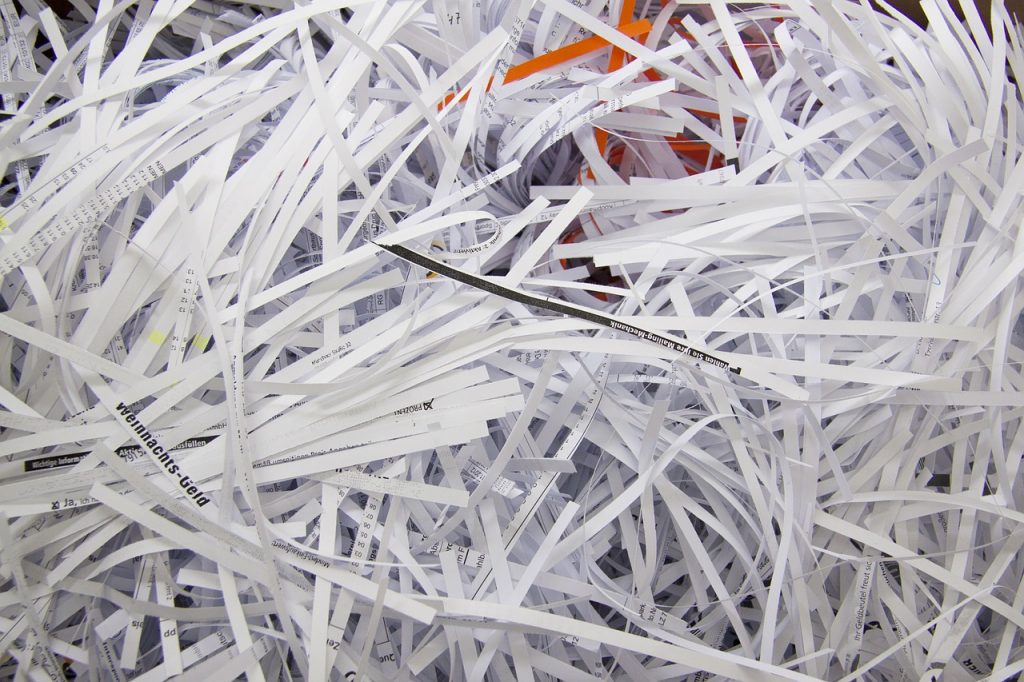
Commonly, old newspapers are used because they are degradable and affordable. The paper materials prevent weeds from sprouting, protect roots from excessive rainfall by helping to stabilise the soil layer, and also help shield root systems from baking in the sun in hotter climates, or getting too cold in colder climates.
Paper materials are also free from insects and microorganisms that might limit plant germination. Paper materials are however light. They get easily blown away by the wind, or washed away by rain – Other heavier mulch on top of the paper materials provide proper cover on such harsh conditions.
Stay clear from mixing coloured newspapers or cardboard with plastic films or ‘sheen’ finish, as they take long to decompose and can expose your
plants to toxic substances such as inorganic dye and plastix waxes – if you have ever burnt a magazine you will know exactly why you don’t want this stuff on your plants – especially food crops!

Benefits of using the best mulch
There is an arsenal of benefits adding mulch apart from giving an aesthetic appeal to pavements and gardens. Below are some of the main benefits of using the best mulch in your garden;
Water retention
The core benefit of mulch in the soil is the ability to retain moisture. When mulch is on top of the soil, less water escapes to the surrounding. This means that less irrigation.
Temperature moderation
Harsh climatic conditions are not good for plants. But during hot climate
especially in summer, mulch acts as an insulator to keep the soil cool and
moisturized providing an ideal growth environment. The mulch also protects plants on cold climates against freezing.
Feeding nutrients into the soil
As the mulch breaks down to decompose, their organic matter levels rise, they finally become humus. Humus occurs when the matter reaches the decomposition limit and is responsible for holding nutrients and moisture in the soil for seamless plant growth. The breaking down is highly helpful especially on low-fertile soil.
Recycling waste materials
Old newspapers, shredded leaves, wood chips, cocoa chips, and pea straw could have otherwise been disposed of as litter. However, they are recycled and used as mulch to boost beauty in the pavements and gardens.
Suppress weeds
Mulch blanket the soil and reduces the amount of weed that germinate. If the seeds sprout, the soft moist soil offers a great environment for uprooting.
Clean harvests
Soil splash on plant leaves especially on rainy seasons. With the best mulch, the splashing won’t occur. Most plants that fall victim to this mess are spinach, cabbages, and other greens that will be free from soil and diseases that come as a result.
Over mulching
Over-mulching can damage plant growth. The excess moisture accumulation can cause the roots to rot or bacterial infections if you are over watering.
If the mulch is too thick it can make it hard for your seedlings to grow through it, and the mulch itself could begin to decompose and actively compost, creating too much heat which may damage your plants stems or root systems.
Furthermore, excess mulch open path to insect manifestation. It is recommended to always keep the mulch thickness between two to four inches to provide the best mulch benefits for your garden.
Summary of Mulching
The type of mulch you use in your garden should depend on what materials you have freely available to make it more sustainable and of course free, but a combination of many different types of mulch forms the overall best mulch for any garden.
Each type of mulch has particular benefits and limitations, and so a system that uses multiple types of mulch together will allow you to get the very best benefits from mulch, without falling prey to each individual limitation.
So give it a go – add some good quality mulch to your garden. Help your plants to grow big and strong and increase their yield while improve your gardens efficiency, and slashing your gardening costs!
What kind of mulch do you use for your garden? Let us know in the comments below