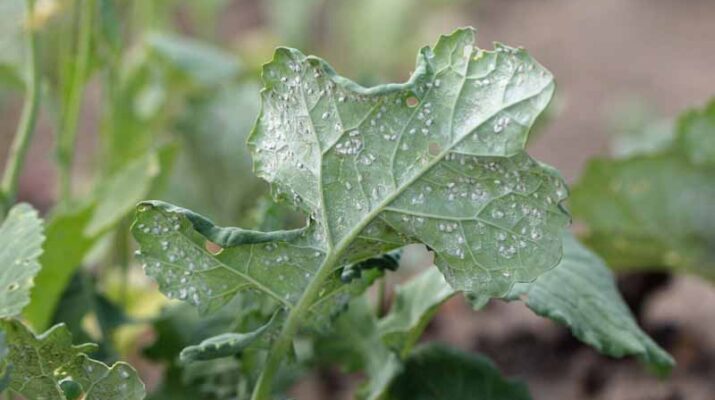
How do you identify common plant pests in your garden? Read on as we take a look at the most common and problematic pests as well as prevention methods.
Introduction
Many houseplant pests can cause extensive damage to your garden if left untreated. Identifying these common plant pests and taking steps to prevent them from wreaking havoc on your plants is essential.
In this post, we’ll look at some common plant pests and how to identify them. We’ll also discuss prevention methods so that you can keep your garden healthy and pest-free. So let’s get started!
What are the 8 most common plant pests?
Anyone who has tried to grow a healthy garden knows that pests can be a severe problem. These tiny creatures can quickly destroy crops, leaving plants wilted and dying. In some cases, they can even spread disease.
Some of the most common plant pests include:
Fungus Gnats
Fungus gnat are tiny, dark-colored insects that measure 1/8-inch long. Their small size and delicate wings make them difficult to spot, but they are often seen flying near potted plants or damp soil. Fungus gnats get their name from their larvae, which feed on fungi and decaying organic matter.

Photo credit: Simplify Gardening
Scale insects
Scale insects are tiny pests that feed on the sap of plants. They range in size from 1/16– to ½-inch in diameter and are usually found on the stems or leaves of plants.
Scale insects can cause damage to plants by sucking the sap, resulting in stunted growth, yellowing leaves, and even death. In addition, scale insects can also spread diseases from one plant to another. As adults, they’re small and can’t move around much. They also don’t have any visible legs.

Spider mites
Spider mites are more closely related to spiders than insects. They’re tiny, so you may not realize they’re there at first. The damage they cause to plants is the first indication that they’re present. You may notice a web if there are many spider mites on the plant. Spider mite nymphs and adult creatures feed on plant fluids.
This can lead to pale leaves with light-colored or yellowed edges. The leaves can become bronzed or golden if the spider mites aren’t dealt with immediately.
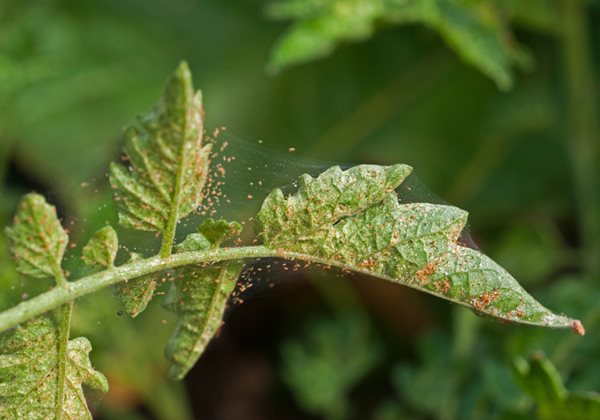
Photo credit; Garden Design
Whiteflies
Another type of plant pest is the whitefly. Whiteflies get their name from the powdery white substance that covers their wings. They’re tiny insects about the size of a grain of pepper. Whiteflies feed on plant sap, leading to stunted growth, yellow leaves, and wilting. In severe cases, whiteflies can kill a plant.
To control whiteflies, spray the insecticidal soap onto all parts of the plant, especially the lower leaves. For houseplants, you take them outside and spray them with insecticidal soap or neem oil extract.
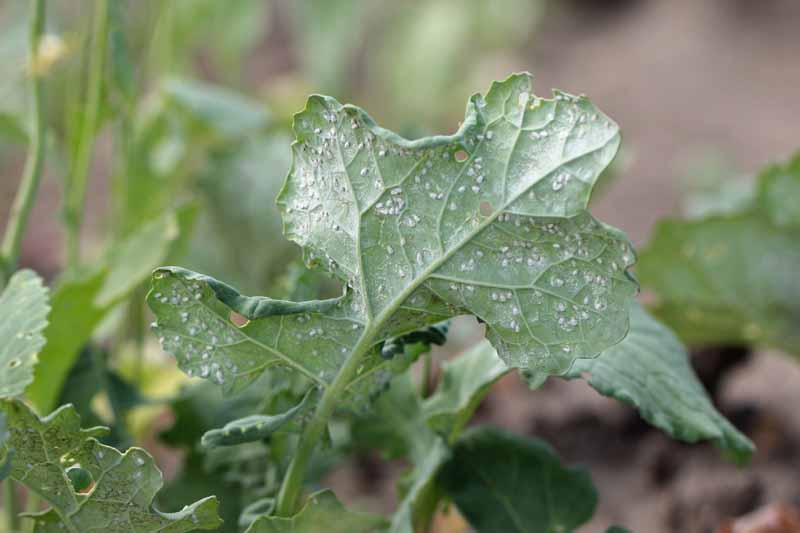
Photo credit: Gardener’s Path
Earwigs
Earwigs are small, nocturnal insects that are found in gardens and homes all over the world. These pests are easily recognized by their long, slender bodies and distinctive pincers. These insects are pretty beneficial, as they help to control populations of harmful garden pests. However, large numbers of earwigs can become a nuisance when they invade homes.
Cutworms
Cutworms are small, destructive creatures that feast on the leaves of plants. They typically only grow to be about an inch long, but they can cause a great deal of damage to a garden or field. Cutworms get their name from their habit of cutting through the stem of a plant just below the soil surface. This kills the plant, as it can no longer receive water or nutrients from the roots.
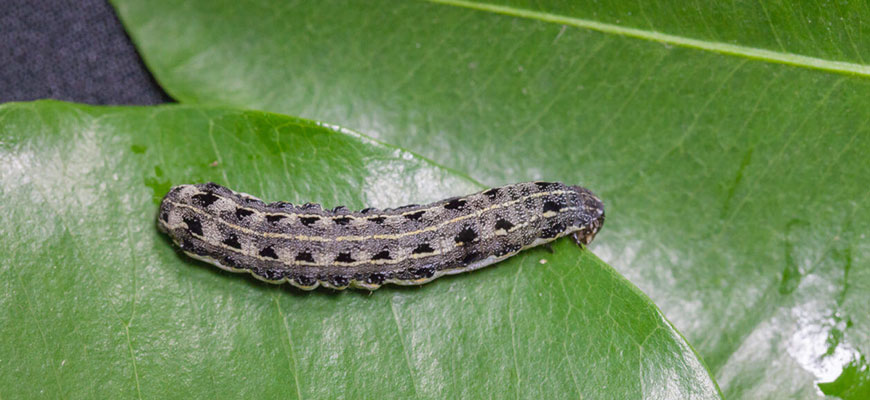
Photo Credit: Hydrobuilder
Aphids
Aphids are tiny insects that feast on plant sap. They fall under the superfamily Aphidoidea and include familiar species such as greenfly and blackfly. However, it’s important to note that members of the same species can differ widely in coloration. Other less-common aphid types include the fluffy white woolly aphids.
The typical life cycle of an aphid includes flightless females giving birth to live female nymphs—who may also be pregnant.
Aphids are one of the most severe pestilent bugs affecting cultivated plants in temperate zones. They serve as vectors for plant viruses and disfigure beautiful flowers with honeydew droplets and black sooty mold growth.
Flea beetles
Flea beetles are small, shiny-coated Beetles that jump like fleas when they feel threatened. There are many species of flea beetle, each with its preferred plant families to feast upon. In the garden, several vegetable crops fall victim to these pests, particularly those in the Brassica family (broccoli, cabbage, kale, radishes, and turnips) and Nightshades (tomatoes, pepper, and eggplants.)
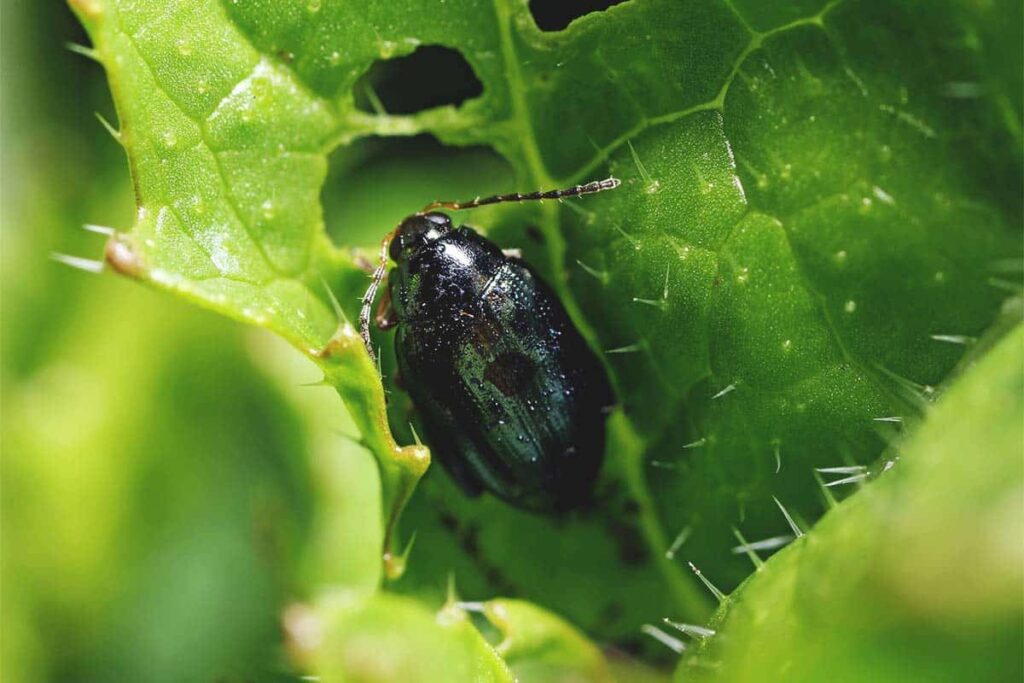
Photo credit: Morning Chores
What are the worst plant pests?
There are a lot of plant pests, but the worst are those that reproduce quickly and have few natural predators. These include aphids, whiteflies, and cutworms. They can destroy a crop in a concise amount of time if their population is not kept in check.
How do I identify pests in my garden?
You might not realize that your plants have bugs eating them until you see sunken, brown spots on apples, or tiny, white insects flying around tomatoes. Other garden pests include leaf holes, small grubs around container plant roots, speckled foliage, and skeletonized leaves.
“Only bugs can truly appreciate the beauty of flowers”
Dov Davidoff
How can you tell if your plant has pests?
The best way to tell if your plants have pests is to look for damage to the leaves or stems of plants. Aphids, for example, leave behind a sticky residue called honeydew. Whiteflies also cause yellowing and wilting of leaves. Cutworms, on the other hand, sever the stem of plants just above the soil surface. These are some of the ways you can identify pests in your garden.
Where do common plant pests come from?
Plant Pests come to your garden in several ways. They may enter via open windows (yes, many of them fly) or on people, pets, or even produce or flowers from your garden. They might hitch a ride on plants resting outdoors during the summer. They may also reproduce themselves and spread across your garden.
How can you get rid of common plant pests?
There are several ways you can get rid of common plant pests. For example, you can pick them off by hand, use an insecticide or pesticide, encourage beneficial insects that prey on pests, or create a physical barrier to prevent them from getting to your young plants.
You might also remove these pests by patting them lightly with some cotton swab soaked in 70% isopropyl alcohol (which you should avoid with delicate leaves) or spritzing them with a dish-detergent and water solution.
“In temperate zones, winter is the best insecticide; it keeps the bugs in check. The tropics enjoy no such respite.”
Gregory Benford
How can you prevent common plant pests?
There are several things you can do to prevent plant pests from getting into your garden in the first place. First, you can keep your garden clean by removing debris and weeds. You can also practice crop rotation, the process of growing different crops in different areas of your garden each year.
This will help prevent common houseplant pests from becoming established in one area. Attract pests beneficial to indoor plants, such as ladybugs and Lacewings, which prey on aphids. In addition, you can install physical barriers, such as netting, to prevent pests from getting to your other plants.
Does companion planting help to prevent common plant pests?
The companion planting method is often cited as an effective way to prevent common plant pests. This method involves planting certain plants next to each other that are known to deter pests.
Some of the companion plants listed below that, if grown together, can help to prevent common plant pests.
Basil: Plant it near tomatoes or asparagus. It repels aphids, mosquitoes, and spider mites while attacking the tomato hornworm and asparagus beetle.
Borage: Grow around tomatoes, strawberries, and fruit trees. Repels tomato hornworms while attracting honeybees.
Geraniums are known to repel cabbage worms and Japanese beetles, making them ideal plants to grow near grapevines, roses, and other vulnerable crops.
Marigold: This will help you repel several pests and grow them with your tomatoes, potatoes, and eggplants to see the effect.
Nasturtium: Plant it near cucumbers, squash, other vegetables, and fruit trees. This will ward off cucumber beetles, whiteflies, and squash bugs. Additionally, it acts as a deterrent for fruit tree borers.
“Don’t knock the power of a pest. Persistence and stubbornness can be useful in many situations.”
Maria V. Snyder
Conclusion
Prevention is always the best cure when it comes to plant pests. You can do several things to keep pests from becoming a problem in your garden, including choosing disease-resistant varieties, keeping your garden clean, and practicing good crop rotation.
Several effective organic control methods are available if pests become a problem, including traps, barrier methods, and biological controls. By taking some simple precautions, you can prevent plant pests from wreaking havoc in your garden.