
The Principles of sustainability are six key principles which can be used to guide the design and development of systems to be more sustainable. The six principles of sustainability are derived from the three core pillars of sustainability.
“The ability to be maintained at a certain rate or level, for example ‘the sustainability of economic growth‘
Oxford Languages
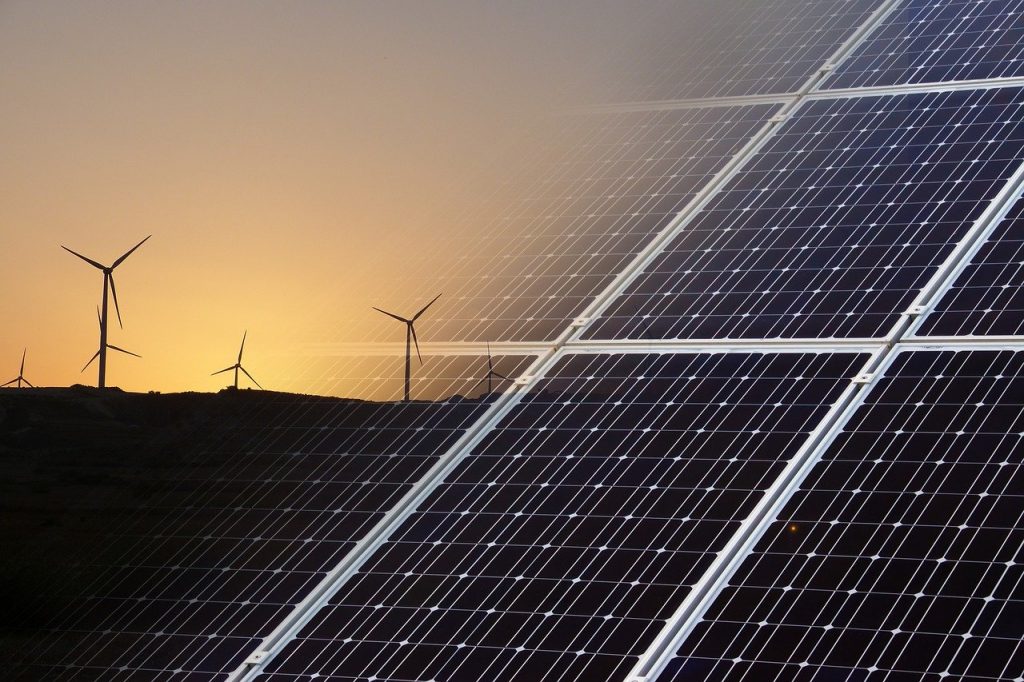
Introduction to the Principles of sustainability
Often, it is thought that sustainability refers specifically to the Environment principle only; a common understanding of sustainability is that it means living without consuming more resources than required; deliberately and minimally such so that we don’t destroy the environment and leave the Earth in a better place than we found it.
Whilst this is a positive aspect of sustainability, Environmental Quality is but only one aspect of sustainability from a holistic consideration. Before delving into the six Principles of sustainability, we first need to examine the core pillars of sustainability.
The Principles of sustainability are built on the three core pillars of sustainability;
- The Economy,
- Society, and
- The Environment.
These core pillars of sustainability can then be expanded into the principles of sustainability, which are expressed in no particular order and all have equal significance when considering the ongoing success, quality and lifespan of a system;
- Economic Vitality
- Disaster Resilience
- Quality of Life
- Social Equity
- Environmental Quality
- Participation
First Principle of Sustainability – Economic Vitality
Economic vitality means that the system is viable from an economic of financial point of view. An example of the first principle of sustainability in action is a positive cash flow farming property.
A farm operates as a commercial business to produce goods such as food which feeds and nourishes the population; if the farm is operating at a loss, then it does not demonstrate economic vitality. The farm is likely to not grow, and will probably suffer – conversely, a farm with a positive cash flow can use economic vitality to sustainably operate and expand – money can be directed into improving areas of the farm – an example in an orchard is the purchase of a wood chipper, which can be used to chip fruit tree prunings to produce a natural pathway or road base for hand or machine picking, that degrades into an organic fertiliser.
Second Principle of Sustainability – Disaster Resilience
Disaster resilience seeks to protect the system from freak accidents or disasters such as flood, fire, storm or drought. If these events are considered in the design and construction of a sustainable system then the impacts of such events can be minimised. This means the system can continue to operate in a partial or degraded sense post disaster, or can be repaired with a minimum cost or effort.

Examples in the farming community in Australia include silage, hay and water storage; my family will ‘bank’ supplies for stock in the good months for use in the leaner months. This was particularly important during the recent extended drought where we were able to lean on these supplies to support the struggling business.
By incorporating the second principle of sustainability, systems can be designed to be more disaster resilient and thus rely less on external influences such as government disaster relief subsidies, charity, or resorting to expensive financing options. This ensures the long term sustainability of the system.
Third Principle of Sustainability – Quality of Life
Quality of life can be thought of as the level of quality in a system, or the ease and enjoyment brought about from the system. This is of tantamount importance in sustainable design, because ultimately if a system doesn’t work or isn’t easy to use, people wont use it.
It is important to consider the intended audience, or target market for the system so the quality of life principle can used to tailor the system. This is because each user or demographic is going to have different ideas and place different values on aspect of the system; for example some prefer form (such as a Ferrari styling, or beautiful ornamental flower garden) – some prefer function (such as a beat up ute, or a productive food garden).
Another great example from my permaculture experience is the design of a garden. Personally, I prefer function over form, and so grow a widely inter planted, bio-diverse garden or ‘food forest’. I personally value the production of the garden, the provision of fruits and vegetables. To me, the quality of the system (the food forest) lies in its ability to sustain me by providing a large yield and variety of crops. I personally couldn’t give a rats about how ‘pleasant’ it is to look at, for me its all about the outcome.
However, not all of my friends, family or clients share the same view! I recently designed and built a permaculture-based garden for a family friend who was less than impressed with how I implemented the principles of sustainability and the 12 principles of permaculture! I had neglected to focus on the quality of life principle, and needed to make sure she could enjoy her garden better. By reducing planting density, increasing accessibility with pathways and planting more eye pleasing flowers, we were able to produce a garden that she could enjoy more, and thus wanted to spend more time in, and effort on.
Fourth Principle of Sustainability – Social Equity
Social equity means considering a systems users carefully, just like in the previous principle of Quality of life. A truly sustainable system needs to be available to anyone, regardless of their demographic, age/generation, gender, background or at what time they use the system throughout the system life cycle (inter generational social equity).
If you fail to consider social equity, you may end up producing a social divide or ‘driving a cultural wedge’ into your system. This is not good, and can end up making a system which is supposed to be about inclusion do the exact opposite.
A simple but poignant example is the use of nuclear power generation; opponents of nuclear power generation cite the extremely long half lifes of radioactive waste which become a problem for future generations – they claim that producing this waste is an unnecessary hazard for future generations and is not a sustainable solution because it fails the sustainability principle of social equity. Advocates of fission reactors have developed ‘fast burn’ or ‘fast breeder’ reactor technology which addresses this issue, and makes for quite interesting reading!
Fifth Principle of Sustainability – Environmental Quality
Environmental quality is the first thing that comes to mind to most people when most people discuss sustainability. Environmental Quality is a very important aspect and principle of sustainability, and aims to produce and operate a system in such a way that it is able to preserve the physical environment and its natural ecological systems (ecosystems).
This means finding ways to avoid unnecessary consumption of resources such as water or energy, avoiding polluting the environment or degradation of forests, lakes, rivers, wetlands, oceans and the air. Ideally, a system should protect and improve environmental quality, such as by restoring or rehabilitating a damaged or polluted enviornment.
A great example of environmental quality in use is the water treatment systems in use by the City of Salisbury in Adelaide, South Australia.

The local council has invested in building over 50 wetland systems throughout the community and water catchment areas. These provide significant economic, social and environmental benefits which focus on producing clean water by removing pollution, trash and sediment. This convinently also deals with the issues of storm water and drainage.
Sixth Principle of Sustainability – Participation
Encouraging participation is vital to ensuring a systems sustainability. That which does not get used, gets lost. Engaging all stakeholders and system users is important during the design phase, to ensure the principle of participation is maximised. If people do not participate in the system, they will not support it, the system will not grow, and it will lose advocacy or representation.
On the flip side, if your system has high participation and engagement, then it is likely that the system can scale and grow, and will be viable over the long term. Increasing participation means;
- Identifying teething problems and issues / concerns with the systems
- Acting on this feedback to improve the system
- Helping system users to actively participate and enjoy their experience
- Coming up with mutual design solutions that involve stakeholders
- Fostering a sense of community and ownership
A very simple example in my family is getting children involved in food gardening from a very young age. By having them help select, plant, nurture and then harvest fruits and vegetables not only are they outdoors enjoying all the benefits (sun, fresh air, exposure to beneficial microbes) but they also take ownership of the food process and have become less picky with their eating. They also work up a strong appetite with all the digging, chopping and watering so end up sleeping well, too! The biggest benefit for me is they enjoy it, and can’t wait to get back out there and help in the garden next time – which means our veggie patch always has a future
Summary of the Principles of Sustainability
Consciously choosing to think about the three key pillars of sustainability and the six principles of sustainability will allow you to optimise the system you are designing. Whether you are simply developing a backyard vegetable garden, or developing a complex business, the principles of sustainability will help you build a system that will thrive and grow sustainably over time. This means less effort, more returns and a longer lasting solution.