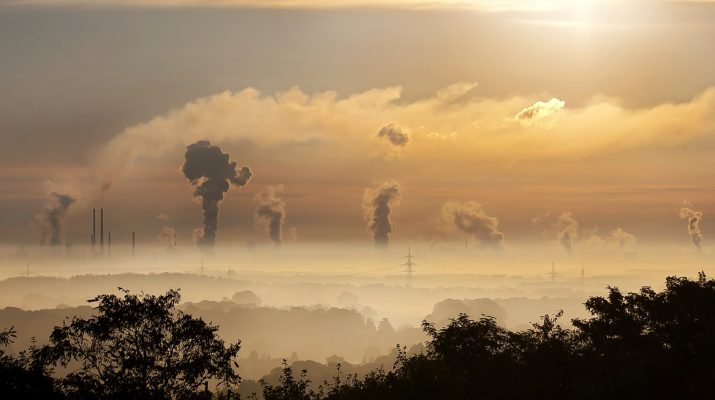
Sustainability remains a key challenge and focus area for society as we tackle issues like climate change, world hunger, air pollution and deforestation. We have collectively squandered natural resources, polluted our environment and taken advantage of nature for industrialised profit taking.
There have been many international summits and treaties developed to tackle the growing global sustainability issues we face, and authorities have warn we are on the precipice of drastic climate change and environmental damage we may never recover from. The question arises, do we have time to protect our planet and adopt sustainable choices?
“Sustainable development meets the needs of the present without compromising the ability of future generations to meet their own needs.”
United Nations Brundtland Commission, 1987
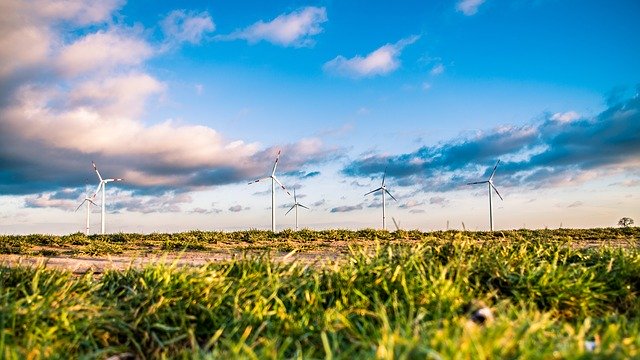
The major cause of sustainability issues
The major cause of sustainability issues is the rapid growth of business, factories, urbanization, and industrialization. Especially in the last few decades, it has shown a great impact on the ecological balance, environmental health, and climate conditions. Modern technology is expanding and innovating exponentially, and we need to harness this power effectively to ensure our long term survival.
“It is estimated that governments spend more than $700 billion a year to subsidize environmentally unsound practices in agriculture, water, energy, and transportation.”
Arty Mangan, The Bioneers
In the USA alone, over $15 billion each year is given to corn, soy and cotton farmers whose products create extensive toxicity including nitrogen run offs, skew the marketplace and real commodity prices, and tie up money that could be supporting sustainable practices. Poor farming practices and land management has become entrenched in our political landscape, in a self fulfilling cycle.
Rapid and mass production of goods – especially disposable or one time use products which end up so quickly as pollution or in landfill – and unsustainable growth in business and consumption are the main causes of depletion and exploitation of natural minerals and resources, and degradation of our environment.
We need to shift our mindset away from considering the environment as a secondary to business and profits, and think sustainably about the future.
“Environment is considered to be a subset of commerce — merely a place to get resources for business. Environmental laws do not protect the rights of nature, but merely slow down the rate of destruction.”
Global sustainability issues
We are facing a global sustainability crisis. From air pollution and air quality, energy production and food security, right through to deforestation and waste management, we are unsustainably squandering our natural resources and polluting our world.
“Since last century or so anthropogenic activities have intensely metamorphosed the earth’s ecosystem and resulted into major environmental changes. Widespread interference of human related activities have resulted in major problems including environmental pollution, land degradation, global warming/climate change, paucity of potable water supply and biodiversity loss.”
Arora, N.K. et al, Environmental sustainability: challenges and viable solutions. 2018
Some of the biggest sustainability issues that we are facing around the world include the following…
Air pollution and air quality
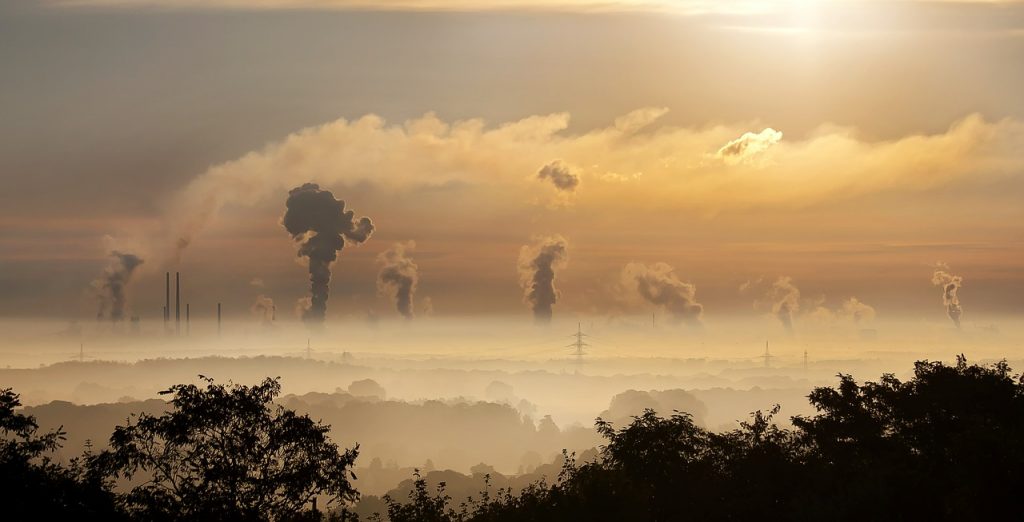
Air pollution and reducing air quality is a major concern around the world.
“The World Health Organization (WHO) estimates that 90% of humanity breathes polluted air“
World Health Organisation, Toxic Air
Carbon emissions are just one type of air pollution due to the burning of gas, oil, petroleum products and wood. This mainly refers to Carbon monoxide and carbon dioxide, byproducts of the combustion products. However, the physical carbon itself from incomplete (dirty) combustion and other particles (such as ash) can form smog and contribute to acute air pollution and events like acid rain.
Other than carbon emissions, common sources of air pollution include particulate matter, Green house gases like Ozone, sulphur and nitrogen oxides, and air toxics and refrigerents like benzene, formaldehyde, toluene, xylenes and benzo (a) pyrene which are typically emitted from industrial practices. These carcinogens and toxic chemicals are linked to cancer and other health issues, and beleived to cause of 1 in every 9 deaths.
Water pollution and wastewater
Water pollution and wastewater management is a serious sustainability issue, which can deprive people of clean drinking water, damage waterways and kill aquatic life.

Water covers some 71% of our Earths surface, however the majority of this is ocean – less than 3% of that is fresh water, and less than half a percent is accessible for drinking!
Clean water is essential for the survival of every living thing, and sadly over 40% of the worlds population is affected by lack of access to clean drinking water – this leads to a range of disease and health issues and mainly affects the worlds poorest and most vulnerable. These figures reflect just how important it is to sustainably manage our water.
Poor management of water waste is the main contributor to this, as well as water wasted in industrial and agricultural uses. Water sustainability is going to become an increasingly important concept as our climate changes and populations continue to expand.
Other than clean drinking water, Water is used extensively in industrial processes such as cleaning, cooling, heating, facility operations, transportation and even chemical processes.
Types of water waste include;
Industrial Process Wastewater
Pollutants may include acids, bases, soluble organic chemicals, suspended solids, nutrients (phosphorus and nitrogen), heavy metals (such as cadmium, chromium, copper, lead, mercury, nickel and zinc), cyanide, oily materials and volatile materials
Storm water
Storm water is the run off from surface, roads, roofing, factories and materials staging areas resulting from rain or drainage. Typically this can contain suspended sediments and clays, metals, petroleum hydrocarbons, Polycyclic Aromatic Hydrocarbons (PAHs) and coliform.
Storm water needs to be managed sustainably, and techniques used to slow its flow include wetlands, soakage pits and gardens. Rapid storm water flows can erode water courses, damage structures and even result in flooding or landslides.
Creating a Rain garden is one way to help slow the flow of storm water.
Sanitary wastewater
Sanitary wastewater is sometimes called black and grey water. It is produced from domestic sewage and effluent treatment, as well as laundry and food services. Sanitary waste water needs to be treated properly before it is released, where it is often called recycled or reclaimed water and used for watering gardens or industrial uses. Untreated sanitary wastewater release into waterways is a potent disease vector and has significant public health risks.
Energy production, consumption and waste
“Industrial energy usage is required for things like process heating and process cooling, auxiliary systems such as motors, pumps and fans, generating compressed air, heating, ventilation and air conditioning systems (HVAC), lighting systems”
First for Sustainability
Accrording to the US Environmental Protection Agency, over a quarter of all greenhouse gas emissions in the US are a result of electricity production alone. This is because two thirds of electricity is generated in the US by burning fossil fuels such as oil or gas.
However, the growing renewable energy sector is increasingly offsetting this. Recently the South Australian government announced that it recently powered 100% of the South Australia’s energy grid using only renewable solar power.
Despite advances in renewable energy in developed nations, fossil fuel electricity plants continue to be built in frightening numbers in developing nations due to their low cost and government and industrial subsidies.
- 13% of the world population does not have access to electricity.
- 3 billion people use fossil fuels for cooking.
Providing access to sustainable, clean energy sources to developing nations will help reduce emissions associated with energy production and consumption. Furthermore, reducing our energy waste is something we can all do to help tackle climate change.
Land contamination and waste products
One of the biggest sustainability issues is we face is waste management. By 2030 the UN projects our world population will exceed 8.5 billion people. We clearly need to focus on the amount of waste we are generating to control land contamination.
We produce and consume an increasing number of disposable or thorwaway products that we cannot recycle which create issues by increasing waste and filling landfill. This is in part due to the ‘throwaway culture’ in developed nations;
“Over $40 billion worth of recoverable hardware materials is binned every year. Regardless of whether devices break, we as consumers have no hesitation in throwing away perfectly usable devices just so we can get our hands on the latest new gadget. Experts foresee the amount of annual waste increasing globally to 51 million tons a year as the digital world continues to expand”
Carmen ene of Sustainable Brands
A focus on a circular economy where this issue is tackled at the roots is the solution. Reducing consumption, preventing waste, improving efficiency, reuse, and recycling, as well as modern waste management processing including sorting, recycling and composting is the only way forward.
Climate change
Climate change is the gradual and long term change in our climate patterns due to anthropogenic (human caused) effects.
“Climate change is a long-term shift in global or regional climate patterns. Often climate change refers specifically to the rise in global temperatures from the mid-20th century to present.”
National Geographic on Climate change
Greenhouse gas emissions and ozone depleting pollution due to industrialization are some of the major causes of climate change, which affect the mechanisms by which solar radiation interacts with our upper atmosphere.
This is a highly complicated topic, but even a very slight raising of the earths temperature due to greenhouse gases can trigger drastic effects such as the release of dissolved carbon in our oceans, permafrost and glaciers – which then accelerates the process. Global warming triggers massive climate change, such as rising sea levels, ocean acidification, and increasing the magnitude and frequency of freak weather events like bush-fires, floods, drought and storms.
“According to the United Nations, CO2 emissions have increased by almost 50% since 1990 — this is accelerating climate change and threatens the survival of millions of people, plants and animals by causing meteorological events like droughts, fires and floods, which are becoming increasingly frequent and more extreme“
Iberdrola
Protecting our oceans
Unfortunately, oceans are increasingly being used as waste dumps for plastic or other waste products which is not being recycled or processed appropriately. There are various other serious sustainability issues related to oceans like.
- Global warming is damaging ocean ecosystems, rising temperatures causing acidification and coral bleaching
- Fuel and oil spills from mining operations and shipping polluting the ocean and marine environments
- Wastewater run off and dumping from industrial processes (including desalination plants)
- Dumping pollutants and rubbish.
- Over-fishing of global fish stocks and hunting of large marine creatures like whales and sharks.
We need to focus on protecting our oceans for the environment and sustainable development.
Protecting biodiversity and endangered species
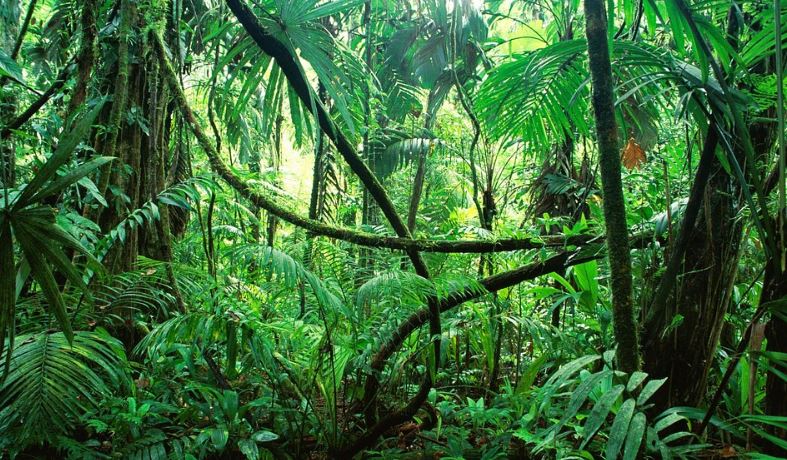
Unfortunately, currently over a quarter of all species on Earth are are at risk of extinction and more than 10% are already extinct. This is due to poaching, destruction of natural habitats, and the introduction of new invasive species.
We need to put an end to such threats. We must conserve natural heritage including forests to ensure we protect biodiversity and our endangered species.
Deforestation
Forests are essential for our survival. They are a source of food, oxygen, medicine, and water. However, if deforestation continues to occur at the same rate, we may soon have no forests left.
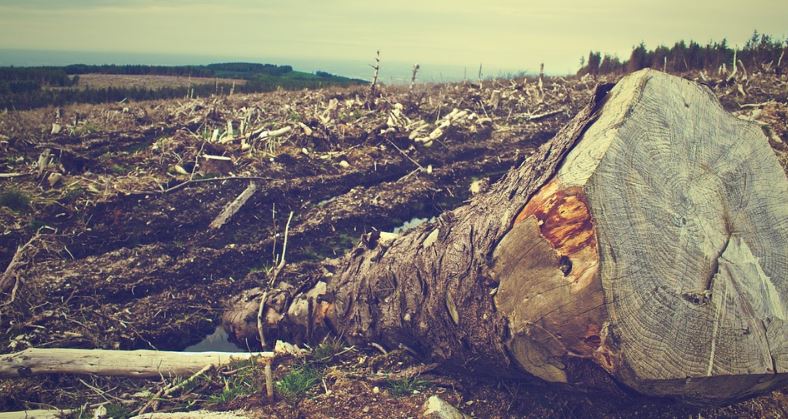
The forests are decreasing at an alarming rate due to the following reasons.
- Rapid urbanization.
- Harvesting timber for commercial use.
- Illegal logging.
- Using land for agricultural purposes.
- Increase in population.
- Natural wildfire.
Logging and deforestation is thought to contribute up to 15% of all greenhouse gas emissions (mechanized clear falling and slash and burning of forests). Thus, we need to develop plans and focus on protecting forests.
Natural resources protection
The depletion and exploitation of natural resources is a major issue. It is essential to set sustainability examples to stop misuse and waste of natural resources – whether that be our oceans, forests, wildlife and rivers.

Food Security
Industrialisation of biological systems in the form of concentrated factory farming and high intensity feedlots might allow for high food output at lower cost than traditional farming, but it is damaging to the local environment, and can be a highly cruel form of animal husbandry.
“Concentrated Animal Feeding Operations (CAFOs) result in increased disease among animals and people, inhumane conditions for the animals, an increase in greenhouse gasses, and antibiotic resistance. Additionally, CAFOs create as much waste as a small city.”
Arty Mangan, The Bioneers
Intensive plant based food production, such as modern practices of farming wheat, soy, corn and other food crops can also be damaging to the environment. Mono-culture farming of marginal lands using excessive amounts of chemical fertilizers, propped up by political subsidies (to garner votes) leads to topsoil degradation and nutrient run off into nearby waterways, causing dead zones and algal blooms.
Furthermore, exploitation of natural food resources like depleting ocean fish stocks due to over fishing has put significant strain on our oceans and its nutrient cycle. The provision of nursery, protected and fishing zones and tighter regulation of fishing by fisheries departments is improving ocean management, however illegal fishing and poaching is a significant issue.
Improving agriculture and food security will be a key challenge moving forward to address global sustainability issues. The United Nations considers this to be a significant issue and is working to change current food production models and patterns of consumption – advocating a shift towards a more plant-based diet of locally sourced foods to save energy (food miles) and reduce emissions.
Furthermore, a resurgence of the wartime ‘Victory Garden’ culture is seeing a number of households grow their own food in Veggie Gardens which has massive environmental benefits.
Solutions to Sustainability issues
To deal with environmental issues, sustainable development is our only way forward. At both an organizational and individual level, we have to set and follow sustainable examples.
- Focusing on equality and dignity whilst combating poverty and extreme wealth inequality which naturally leads to environmental degradation.
- Follow examples in Nature. We need to live in harmony with nature by observing and mimicking natural processes rather than imposing or inventing our own.
- Creating inclusive, just, and peaceful societies. This allows us to become more sustainable, reduce war damage and can help save the planet. We can fight all our sustainability issues by ensuring peace and a rules based global order is maintained.
- Smart waste management. A focus on the circular economy and adopting the ‘Reduce – Reuse – Recycle’ message as personal values will reduce consumption and levels of waste entering landfill and the ocean.
- On an individual and organizational level, we need to focus on protecting our environment and all its natural resources rather than treating it as an object that can be owned and source of resources for industrial profit making.
- A focus on sustainable design when building systems and processes.
Conclusion
Protecting the environment, and focusing on sustainable development is the only way we can ensure quality of life and the long term survival of our species.
If we do not take effective actions today, we will slowly destroy the planet. To protect our Earth for future generations, we have to recognize and address these sustainability issues. Otherwise, with the speed at which we are damaging the environment, Our Earth may not be able to survive the way we need it to.
Demanding Corporate Environmental Responsibility (CER) that is in line with the principles of sustainability such as how Mitsubishi Corporation has done is one of the ways as customers (consumers) we can help drive incremental change towards a more sustainable future.
Finally, I would reccomend you all check out David Attenboroughs latest film, A life on Our planet. The short is below;
Further Reading
Alori ET, Glick BR, Babalola OO (2017) Microbial phosphorus solubilization and its potential for use in sustainable agriculture. Front Microbiol
Aro EM (2015) From first generation biofuels to advanced solar biofuels. Ambio 45(1):S24–S31
Arora NK (2018a) Environmental sustainability- necessary for survival. Environ Sustain 1(1):1–2
Atlas RM (1981) Fate of oil from two major oil spills: role of microbial degradation in removing oil from the Amoco Cadiz and IXTOC I spills. Environ Int 5(1):33–38
Arora, N.K., Fatima, T., Mishra, I. et al. Environmental sustainability: challenges and viable solutions. Environmental Sustainability 1, 309–340 (2018). Available online