The Three core Principles of sustainability are;
- The Economy,
- Society, and;
- The Environment.
Sustainability:
Oxford Languages
“The ability to be maintained at a certain rate or level, for example ‘the sustainability of economic growth‘
These core pillars of sustainability can then be expanded into further principles of sustainability, which are very useful when considering and analysing the ongoing success, quality and lifespan of a system particularly during the design phase. They are;
- Economic Vitality
- Disaster Resilience
- Quality of Life
- Social Equity
- Environmental Quality
- Participation
Introduction to the three core Principles of Sustainability
The Three core principles of sustainability are a group of three areas which can be used to evaluate a particular design solution to a problem. Whether that be energy generation, food production, or even housing, we can explore problems and solutions through the lens of the three core principles of sustainability. By focusing on three discreet areas, we can begin to critique a design according to the separate (but overlapping and sometimes competing) core principles.
First core Principle of Sustainability: The Economy
Ultimately, for a system to meet or exceed its design lifespan it needs to be economically viable. This means the system design fits within budgetary constraints; such as cash-flow requirements or overheads (operating cost). This ultimately means the system is viable from a financial, time or economic point of view.
An example is the design of a home vegetable garden; a common motivation for creating a home vegetable garden is to produce food that you have grown yourself, for a low cost – the act in itself is therapeutic and reward enough for most home gardeners, but those wishing to fulfil the third principle of permaculture (yield), the end result is produce tangible results; fresh produce which can be felt, measured, and eaten.
In this case, if the vegetable garden begins to be burdensome – both in the time required to tend to it, and in operating costs such as seedlings, fertiliser, water but which never produced anything (potentially due to pest attack or poor growing conditions) it is clear that the gardener would lose interest over time, and the system might eventually collapse.
I see this time and time again with my mentor ship and coaching program; my students can sometimes suffer from a lack of forward vision; without seeing any tangible gain early in the game it can be difficult to stay motivated to continue on the journey. In the vegetable garden example above, I would suggest potentially looking at faster crops such as Radish or Lettuce which may be harvested in as little as a few weeks – this provides a tangible gain or early benefit, and can be immensely helpful in providing motivation and lead to overall economic success to a garden.
Now that our system (the vegetable garden) is producing relatively quick crops (which could be the same ‘cash-flow’ type scenario of any other business), the economic viability of the system becomes apparent to the stakeholders (or should that be tomato stake holders?). Succession crops can be planted, as well as branching out into longer maturing crops such as root vegetables or even fruit tree orchards – if you are willing to invest the capital!
Expanding the system leads to further productivity, and avenues for increased efficiency due to recycling, composting and even seed collection. By implementing the principles of permaculture, the home garden can become increasingly profitable – which is exactly what homesteaders do when seeking sustainability – they understand the principle of the economy and use it to design a successful system to provide them with food.
Second core Principle of Sustainability – Society
The second core principle of sustainability is Society. Understanding this means you understand the role of society in sustainable system design, or how the system will interact with its stakeholders. The reality is, very little (if any) systems are isolated from society completely.
Try to think of a system that is not influenced by society. I bet you can’t! Even the Mars landing program is heavily influenced by society – through public perception and appetite for expensive space programs. If this wasn’t factored for and managed appropriately (PR campaigns, positive spin, research publications and launch televising), political opponents of space programs could easily run smear or fear campaigns to turn public opinion against exploration and seriously damage this sector.
When we talk about something like Gardening, Landscape Design, or even sustainable electricity generation, we always need to consider how society will interact with the system – because ultimately these systems are designed FOR society – for the stake holders.
Second principle of sustainability example: Green vs fossil fuel energy
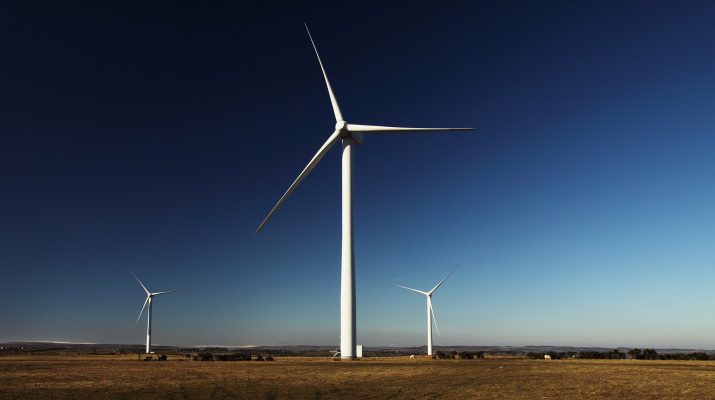
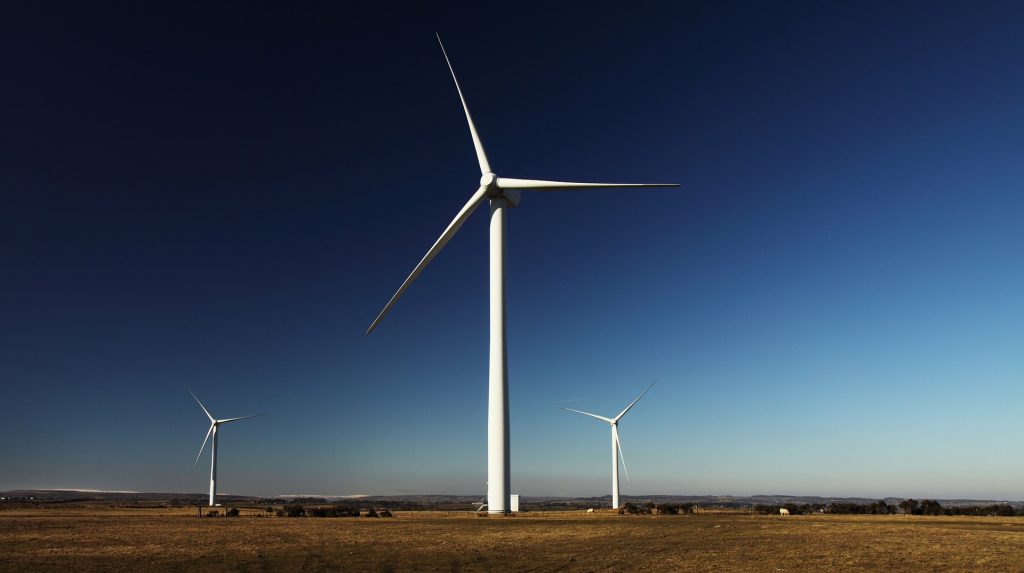
Take wind turbine generation; wind turbines have been able to generate sustainable ‘green’ energy for many decades now. As technology is maturing these systems are becoming increasingly efficient and the cost overheads are decreasing (which is an important area as this is exactly the first principle of sustainability – the economy).
However, the fact is that ‘dirty’ electricity can be generated cheaply by burning fossil fuels such as coal, oil or gas. The status quo is basically as such, dig stuff out of the ground and burn it, use a steam turbine to convert the heat energy to electricity and voila!
By understanding society, and the user for green energy, proponents of wind turbines have been able to sustainably grow their business and promote green or clean energy. Through clever marketing and green branding to both customers (users of) and investors in, as well as government lobbying of sustainable energy, companies such as AGL energy, Goldwind Australia and Hydro Tasmania have been able to successfully grow their ‘eco’ profitability.
Despite costing more than conventional electricity, people are increasingly choosing green or sustainable energy. This is a fantastic win for the sector, and for the environment (but more on that later). Of course, in the long run we all understand that fossil fuels are not sustainable and will eventually run out – its just a matter of how much we damage our Earth before this happens.
Stakeholders
A key aspect of understanding the second core principle of sustainability is understanding the intended audience, or target market for the system so that it can be tailored to suit. Each demographic is going to have different ideas and place different values on aspect of the system; for example typically it is the younger ones in society that value ‘green’ energy over conventional fossil fuels, so a stakeholder analysis usually evolves from a consideration of the second principle.
Social equity
Leading from a stakeholder analysis is the concept of social equity. Social equity is about ensuring a system is designed to ensure that regardless of demographic, age, generation, gender or background that a system is available for everyone through its life cycle – sometimes referred to as inter generational social equity.

Leading back to the case of green energy, this might mean marketing across a wide variety of platforms which can reach your intended stake holders, and also making your product available across a wide demographic; everyone from the 17 year old starting their first job and wondering where to invest their super, to the stay at home Mum choosing which energy plan to power the family home, to the CFO who is vetting the budget of a solar array on the roof of a factory.
Participation (engagement)
A key aspect of understanding society is the concept of sustainable participation. Similar to Social equity, this overlapping area is about designing a system that encourages active participation and repeat engagement. Ultimately, if people do not participate in the system, that means it isn’t being used and it will likely not meet the first principle of sustainability – it won’t be an economic success.
Barriers to participation should be removed. For example, in the case of sustainable energy companies seeking capital from investors, offering an investment option through micro investing platforms such as Stake or Commsec Pocket can allow companies to increase engagement and participation in the system. This will clearly have follow on second, third and fourth order effects; for example someone who is invested in sustainable energy is much more likely to be a consumer of ‘green’ energy at home than someone who isn’t – clearly they are invested in the sectors success.
Third Core Principle of Sustainability: The Environment
The environment is often the first thing people think about when we talk about sustainable systems. The environment is an important Core principle, and refers to the physical environment such as ecological systems (ecosystems) as well as resources such as forests, mineral deposits and water systems.
Lets take the example of an off-grid homestead and their heating requirements to explore the concept of the environment. Solid fuel stoves are commonly used by homesteaders because it can be a renewable or sustainable form of energy – on a large enough property, trees can be planted such that a portion can be harvested continually to provide firewood for stoves for heating or cooking.

If a homesteader opted to just illegally ‘log’ a national forest and pilfer firewood, or even to just chop down their own properties plants ‘willy nilly’, then it is clearly damaging to the environment. This could have several repercussions (a fine from local government being one of them), but environmentally they could potentially see;
- An increase in soil wetness or ‘swampyness’ during wet seasons
- An increase in soil erosion during dry seasons
- On sloping blocks in heavy rainfall potential land slides or soil movement
- Reduction in nesting areas for birds
- Loss of shade and forest habitat
- Reduction in local beneficial insect population
- Loss of physical privacy / sheltering for you and your animals (livestock?)
- Increased likelihood of single trees falling due to storm or high winds (due to lack of sheltering)
- Reduction in air quality
- Unreliable prediction of future solid fuel availability
- Loss of native trees causing stress on native flora and fauna; this leads to increased introduced pest species and mono culture issues with other areas of homesteading such as market gardens for food production.
Clearly then, the first option of planting deliberately and diversely for solid fuel is the best option when it comes solid fuel options on a homestead.
Taking a step back, a wider understanding an appreciation for the environment is a key principle when setting up any business. Whether you are drilling for oil in at risk marine environments, building apartment complexes or regenerating a paddock for future cropping, understanding the environment and your impact on it is crucial for the longevity of your system design.
Summary of the Three core Principles of Sustainability
Understanding the three key pillars of sustainability (Economy, Society and Environment) lets you optimise the system you are designing for peak efficiency, productivity, profitability and longevity.
Whether you are simply setting up a vegetable garden or designing complex systems, factoring in the three core principles of sustainability will help your system thrive and grow sustainably over time.