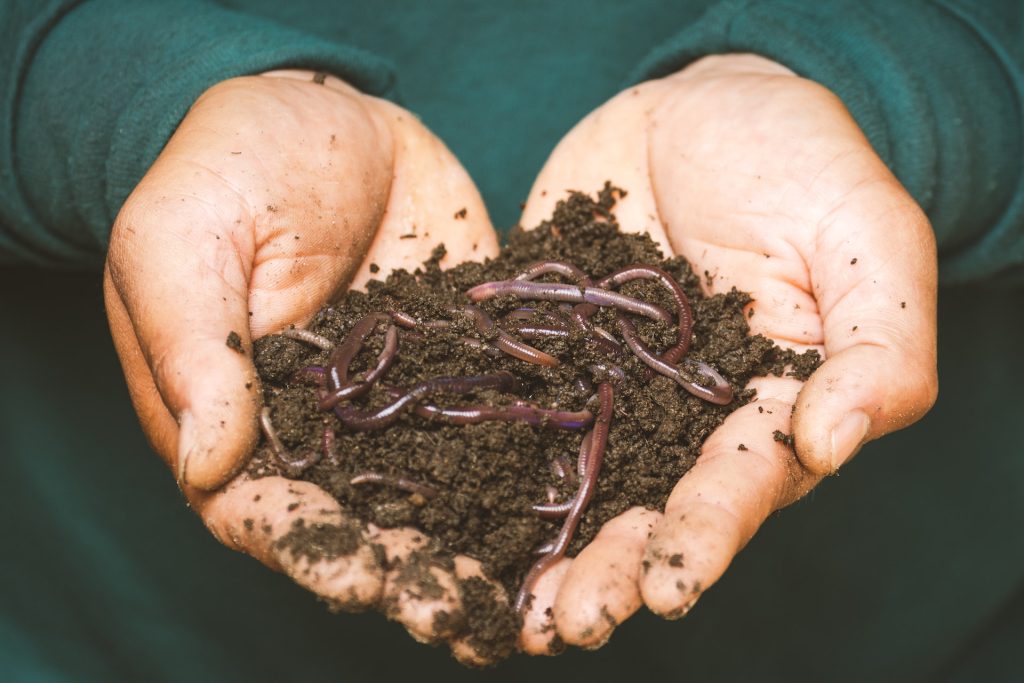
Worm farms reduce your carbon footprint and improve the soil for your garden. There are various worm farms and you can easily set up one at home.
In this article, we will talk about the various types of worm farms available in the market and how to choose the best worm farm for your needs. Moreover, we will briefly describe the process of making your own worm farm.
Introduction
Worm farms, also known as worm composts or vermicomposts are a great way to reduce the organic waste going into landfills and can be used to make organic compost, worm tea, and other forms of soil conditioners.
Worm farms are easy to set up and can be started from a small 5-gallon bucket. Even if you have never had any experience growing a worm farm, you can still get it started; that’s how easy it is.
A simple worm farm takes about 2 hours of preparation and 5-10 minutes of maintenance each day. In this article, we’ll explore all the things you need to know before starting a worm farm, the benefits and types of worm farms, and general maintenance tips.
What do you need to start a worm farm?
Starting a worm farm can be a fun and rewarding way to reduce food waste, produce compost, and even earn some extra money by selling it. Here are the steps you will need to follow to get started:
A suitable Container: The first thing you need to assess is how much organic waste you throw out in a month; this will determine the size of your worm farm. Organic waste can include kitchen scraps, egg shells, coffee grounds etc). Worms can eat half of their body mass, so if your waste is about 1000 grams, you need 500 grams worth of worms. Get a bin double that size so you have room to add bedding material and some room for air. [1]
Suitable Bedding Material: Bedding material is added in the worm farms to absorb extra moisture from the food scraps and provide space for worms to multiply in numbers. You can use any bedding material1 such as shredded newspaper, or coconut coir, and food scraps for the worms to eat. [2]
Worms: To start a worm farm, you need to have some worms. You can source good quality compost worms from your local gardeners or garden shop or you can find some online too.
What are the different types of worm farms?
There are several different types of worm farms that you can use for vermicomposting. Here are six examples:
Styrofoam box worm farms
This is a simple and inexpensive option that you can easily DIY at home. It consists of a large Styrofoam box with holes drilled into the sides for ventilation. The worms are placed in the box along with their food, and the box is then placed in a sunny location. The worms will consume the food and help to produce compost, which can be collected from the bottom of the box. Explore other inexpensive options here2.
“Earthworms are farmer’s friends”
Vicharoo
Kitchen compost bin
These are small, sealed containers that can be placed on a kitchen counter or under the sink. They have a small opening on the top for adding food scraps and a removable tray on the bottom for collecting the compost. The worms in these bins typically consume food scraps and produce compost within a few days.
Traditional Worm bins
These are larger, outdoor containers that can be used for composting and vermicomposting on a larger scale. They can be made from a variety of materials, such as wood, plastic, or metal, and are typically placed in a sunny location in the yard. The worms in these bins consume a wider range of materials, including yard waste, and produce larger quantities of compost.

Photo Credit: Uncle Jim Worm farm
Tower system
This type of worm farm consists of a series of vertical tubes or trays that are stacked on top of each other. The worms are placed in the top tray, and as they consume the food and produce compost, they migrate down through the tubes or trays to the bottom. The compost can then be collected from the bottom tray. [3]
Flow-through system
This type of worm farm consists of a series of horizontal trays that are stacked on top of each other. The worms are placed in the top tray, and as they consume the food and produce compost, the compost is pushed through holes in the bottom of the tray and collected in the tray below. This allows for the continuous production of compost without the need to remove the worms from the system. [4]
Commercial worm farms
These are professionally designed and manufactured worm farms that are typically made from plastic or metal. They can range in size from small, kitchen-counter units to large, outdoor systems. Many of these farms come with all of the necessary components and instructions for setting up and maintaining the system.
Overall, the type of worm farm that you choose will depend on your specific needs and goals. Whether you opt for a DIY solution or a commercial system, the key is to provide the worms with a suitable environment and a consistent supply of food to produce high-quality compost3.

Can you make a DIY worm farm, without buying one?
Yes, it is possible to make a DIY worm farm without buying a starter kit. All you need to do is gather the supplies, create some ventilation holes using a drill machine, add food scraps, bedding, and some composting compost in a bin. Just remember to maintain the bin4 and give the worms a suitable environment and a consistent food supply to ensure their health.
“One earthworm can digest 36 Tons of soil in one year”
Erin ehnle brown
How does a 3 tier worm farm work?
Here are the steps for how a 3-tier worm farm works:
● The worms are placed in the top tray along with their food.
● As the worms consume the food and produce compost, they migrate down through the holes in the bottom of the top tray to the middle tray.
● The worms continue to consume and produce compost in the middle tray, and the compost is pushed through the holes in the bottom of the tray and collected in the bottom tray.
● The bottom tray serves as a collection point for the finished worm tea (or worm castings).
● It is important to monitor the moisture levels in the worm farm5 and add water if the bedding becomes too dry.[5]
● The compost in the bottom tray can be harvested and used as a soil amendment or fertilizing agent in the garden.
What are the benefits of buying a worm farm, over making one?
The biggest advantage of buying a worm farm instead of making one is that you don’t have to go around gathering the supplies for worm farms. The other advantage is that you don’t have to go through the stress of messing up starting the farm, you can just buy one and maintain it later on.

What is the best type of worm farm?
The best type of worm farm is the one that meets your needs. But objectively, the 3-tier worm farm is the best because, in the process of taking out the worm compost, you don’t risk damaging and disturbing the worms.[6]
“The early bird who gets the worm works for somebody who comes in late and owns the worm farm.”
John D. MacDonald
FAQs about worm farms:
What worms do you use for a worm farm?
The best worms to use are tiger worms or red worms. These are easily available at most garden stores.
How long do worm farms last?
Worms live for about 2-3 years in worm farms but since they multiply in numbers, your worm farm can keep running as long as you maintain it.
Do worm farms need air holes?
Absolutely. Ventilation is a critical part of worm farming and worms can’t survive without it.
How often should I clean my worm farm?
You should drain the excess liquid every 2-3 days and lift up the bedding every few weeks. This will keep your bin nice and clean.[7]

Photo credit: Compost community
Conclusion
Worm farms are an effective and sustainable way to compost and vermicompost organic matter. There are several types of worm farms and the type of worm farm that is right for you will depend on your specific needs and goals.
Starting a worm farm is easy, and many resources are available to help you get started. With proper care, your worm farm can produce high-quality compost that is rich in nutrients and beneficial microorganisms.
Whether you are a seasoned gardener or a beginner, worm farms are a worthwhile investment that can help you to live a more sustainable and environmentally-friendly lifestyle.
You might also be interested to read about:
Grass cuttings – What to do with them?
Common Plant Pests; Identification and Prevention
Growing a Veggie Garden
References:
Information Sources:
1. https://lovefoodhatewaste.co.nz/worm-farms-101-everything-you-need-to-know/#:~:text=There%20are%20two%20types%20of,for%20collecting%20the%20worm%20tea.
2. https://unclejimswormfarm.com/what-can-i-use-for-worm-bedding/
3. https://goodlifepermaculture.com.au/what-worm-farm-is-best-for-you/
4. http://www.wormfarmfacts.com/Worm-Bin-Types.html
5. https://www.abc.net.au/gardening/how-to/building-a-worm-farm/9430596
6. https://deepgreenpermaculture.com/2014/09/23/worm-farming/
7. https://wormfarmguru.com/worm-farm-maintenance/#:~:text=You%20will%20need%20to%20drain,cause%20anaerobic%20activity%20to%20start.
Hyperlinks
1. https://unclejimswormfarm.com/what-can-i-use-for-worm-bedding/

3. https://www.nytimes.com/2013/01/01/science/worms-produce-another-kind-of-gold-for-farmers.html
4. https://green.harvard.edu/tools-resources/how/worm-composting-tips
5. https://urbanwormcompany.com/how-to-measure-moisture-content-in-compost-and-vermicompost/
[1] https://lovefoodhatewaste.co.nz/worm-farms-101-everything-you-need-to-know/#:~:text=There%20are%20two%20types%20of,for%20collecting%20the%20worm%20tea.
[2] https://unclejimswormfarm.com/what-can-i-use-for-worm-bedding/
[3] https://goodlifepermaculture.com.au/what-worm-farm-is-best-for-you/
[4] http://www.wormfarmfacts.com/Worm-Bin-Types.html
[5] https://www.abc.net.au/gardening/how-to/building-a-worm-farm/9430596
[6] https://deepgreenpermaculture.com/2014/09/23/worm-farming/
[7] https://wormfarmguru.com/worm-farm-maintenance/#:~:text=You%20will%20need%20to%20drain,cause%20anaerobic%20activity%20to%20start.