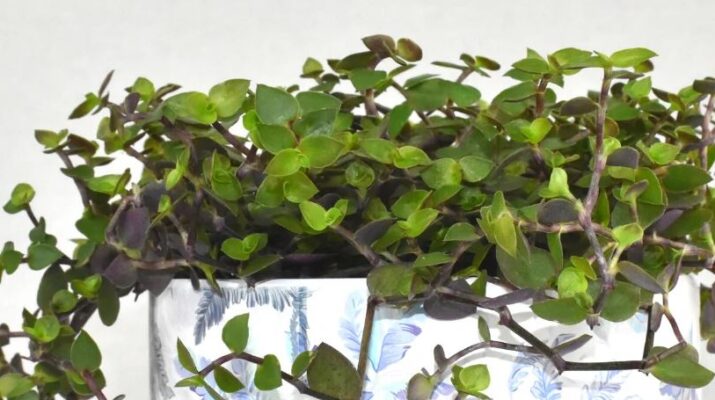
If you’re looking for an unusual and eye-catching plant to grow in your garden, you should consider a turtle vine. Turtle Vine plants are also referred to as Callisia repens, Basket Plants, Bolivian Jew or Wandering Inch Plants.
The turtle vine plant is native to South America, and is related to the morning glory. It has bright green leaves that form a rosette, and produces delicate white flowers with blue centres. In this blog post, we will discuss everything you need to know about growing a turtle vine plant!
Introduction to the turtle vine plant
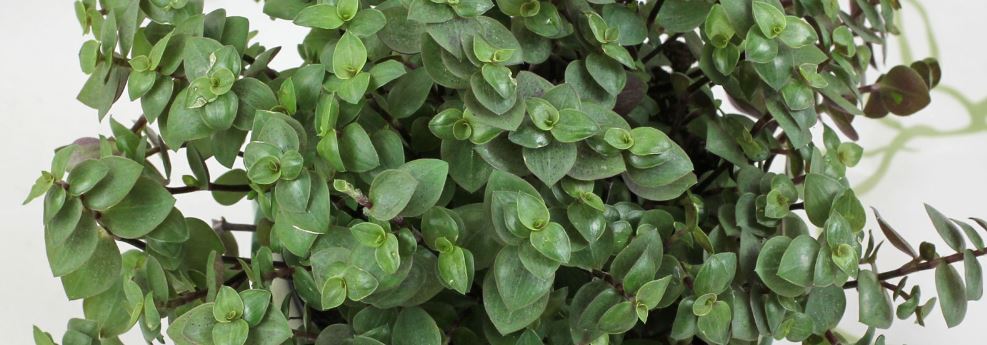
The turtle vine plant is an ornamental perennial succulent that belongs to the Convolvulaceae family, and is often called Basket Plants, Callisia repens, Bolivian Jew, Wandering Jew or Creeping Inch Plants. It is native to the Americas, and is related to the morning glory. The turtle vine plant has bright green leaves that form a rosette, and produces delicate white flowers with blue centres.
How to grow a turtle vine plant
The turtle vine plant is very easy to grow, and can be grown from either seed or cuttings. If you’re growing it from seed, sow the seeds in late winter or early spring. They will germinate within two weeks if the soil is warm enough. If you’re growing it from cuttings, take stem cuttings in late spring or early summer, and simply place them in water until they root.
Once your turtle vine plant roots, plant it in a pot of fast-draining soil. If you’re growing your turtle vine plant indoors, place it in a sunny spot that gets at least four hours of direct sunlight every day. If you’re growing your turtle vine plant outdoors, make sure to find an area that is partially shaded so the turtle vine doesn’t get scorched by too much sun and heat!
Turtle vines can tolerate partial shade, bright indirect light, bright light and direct sunlight, provided they have enough water with correct drainage. They need drainage holes in and good quality potting mix soil to prevent root rot and spider mites. They can tolerate colder temperatures, but not below freezing.
How often should I water my turtle vine plant?
You will need to water your turtle vine regularly during summer and spring, but only occasionally during winter and autumn months when the growth is slow. The roots can rot if they are left wet for too long so avoid overwatering like this! Do not let the soil dry out between watering sessions either!
How big of a pot do turtle vine plants need?
Turtle vine plants grow to a height of 20 cm and spread across 25 cm in diameter. Therefore, turtle vine plants should be planted in pots with a minimum size of 15cm (diameter) x 15cm (height). The turtle vine plant can also be grown outdoors if you have the space for it!
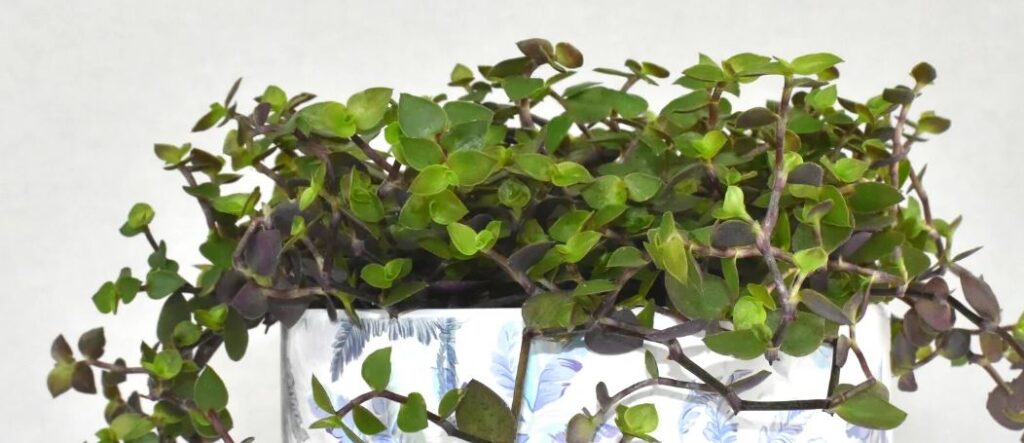
Turtle vines do really well as ground covers and in hanging baskets as well
What fertiliser do turtle vine plants need?
Turtle vine plants are not heavy feeders, and a general-purpose liquid fertilizer is sufficient for them. You can also use slow release granules or pellets but make sure to follow manufacturer’s recommendations on how much you should apply! Feed your turtle vine plant once every month during its growing season (spring through autumn), and stop feeding it in winter when the growth is slower. If you’re growing turtle vines as houseplants, give them regular doses of diluted liquid fertilizer during their growing season.
What climate is good for turtle vine plants?
Turtle vine plants are best suited to warm climates with plenty of sun and humidity. They can be grown indoors in pots or outdoors where there’s enough light to keep them happy! If the turtle vines are left out while it is very cold they will die off because they cannot survive temperatures below 32 degrees Fahrenheit which (0 degrees celsius).

The turtle vine plant prefers a humid environment so consider misting your turtle vines regularly, and full sun will have them growing quickly.
Constantly moist soil or poor draining potting soil can cause root rot, so ideally water sparingly and ensure the soil doesn’t get waterlogged – They can be well suited to planting in Rain Gardens for temperate climates.
Similar plants to the turtle vine plant
You may also want to grow some of these related plants if you have turtle vine plant in your garden and like the way they look.
– Ipomoea (Morning Glory)
– Caladium (Caladium bicolor)
– Coleus (Coleus blumei)
– Impatiens (Impatiens walleriana)

My experience growing turtle vines
I actually got my first turtle vine by accident! I had purchased a paw paw plant from a private seller and the pot it came in must have had a small piece of turtle vine drop into it during transit (demonstrating just how hardy the turtle vine is).
This small piece of cutting propagated itself and grew into a pretty decent groundcover in my paw paw pot, which looked pretty cool so I was happy to leave it as a form of living mulch.
I noticed it was a bit delicate and it was easy to break parts of this succulent off, and when I had a go at burying them partially, they rooted and grew into new plants.
I have since had a lot of fun separating and propagating turtle vines, and have found most success at putting them in a glass of water to let them root before potting them into a good quality potting mix.
I have been gifting away the turtle vines, but lots of people make money online by selling them on places like etsy.
Summary of turtle vine plants
The turtle vine plant is an unusual and eye-catching plant that is easy to grow. It can be grown from either seed or cuttings and prefers a warm climate with plenty of sun and humidity. The turtle vine makes a great ground cover or hanging plant, and has a broad light requirement making it a great addition to any garden!
If you’re looking for an unusual and eye-catching plant to grow in your garden, you should consider a turtle vine plant