What is a fruit salad plant? Where do you get them? How do you grow them? And what climate is best for them? Keep reading to find out!
If you’re looking for an interesting and exotic plant to add to your garden, you should consider the fruit salad plant. Also known as the monstera fruit salad plant, Monstera deliciosa, Split leaf philodendron or the swiss cheese plant, this beautiful specimen can be found in tropical forests in central and south America from Mexico through to Panama.
It is highly popular and has been domesticated making its way into many gardens around the world, as well as into the focal point of many floral displays because monstera leaves are striking with a velvety appearance.

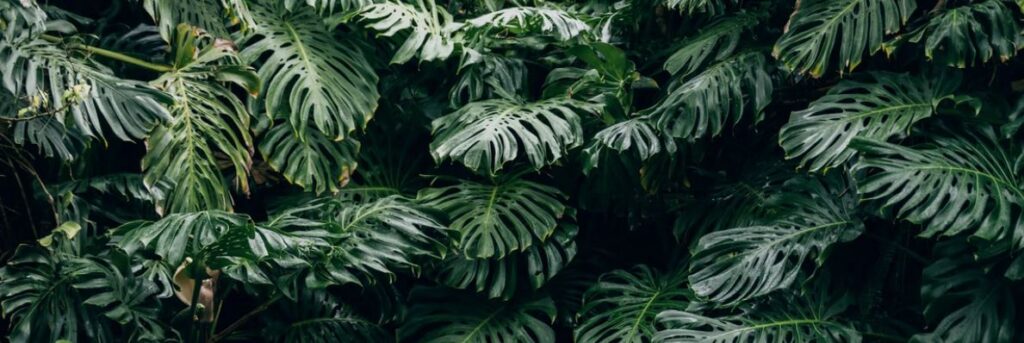
Introduction to the monstera fruit salad plant
Now, don’t be confused. The fruit salad plant doesn’t ACTUALLY make fruit salad. It is called that because the fruit on the plant smells and tastes like fruit salad because of its similarity to strawberry, banana, mango, guava, passion fruit and pineapple. The fruit can be eaten fresh, or used in jams and jellies. Be warned though, unripe Monstera deliciosa can cause mouth irritation, and leaves and stems are poisonous.
The fruit salad plant is also called the fruit salad tree, monstera fruit, and Monstera deliciosa. It is a large tropical vine with heart-shaped leaves that can grow up to three feet long when mature.
The fruit of this species has been used as an ingredient in fruit salads since ancient times due to its sweet aroma and taste similar to that of tropical fruits. They are often sold dried at markets around Central America where they are very popular among locals who prepare fresh juices out of them on their own recipes. They are often sweeter than other fruits but always very delicious!
Other use of the term Fruit salad plant
Sometimes, the term fruit salad plant can be used to refer to fruit trees with multiple grafts instead of the Monstera deliciosa plant. I call these fruit salad trees to avoid confusion, and I love growing multiple grafted fruit trees as a quirk of nature and an interesting talking point in my garden.
How to grow fruit salad plant
The fruit salad plant is a vine that grows quickly, so it needs plenty of space to spread out. It loves direct sunlight, but can also grow well in shaded areas and indoor in pots. It does best in warm climates but can survive in colder environments with some care such as in thoughtful food forest designs.
One of the great things about the Monstera fruit salad plant is that it doesn’t need much water or fertiliser. In fact, too much water or fertiliser can actually kill it! A moderate amount of watering and feeding every few weeks should be enough to keep your plant healthy and happy.
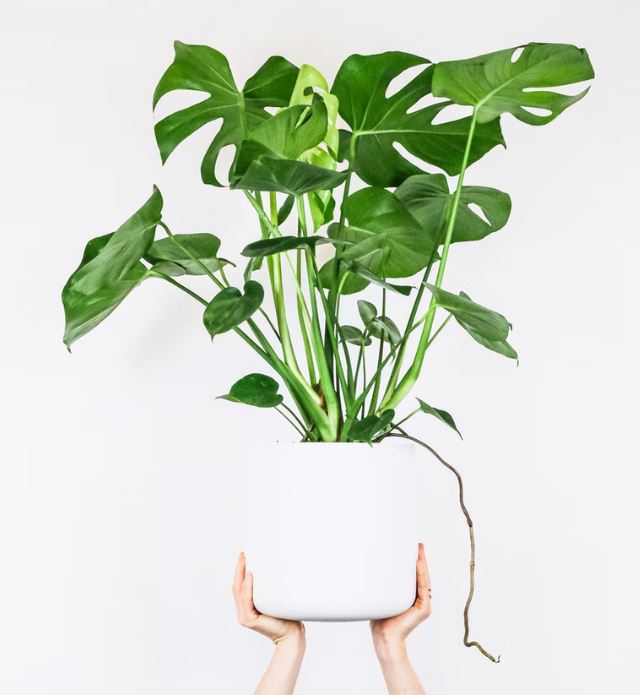
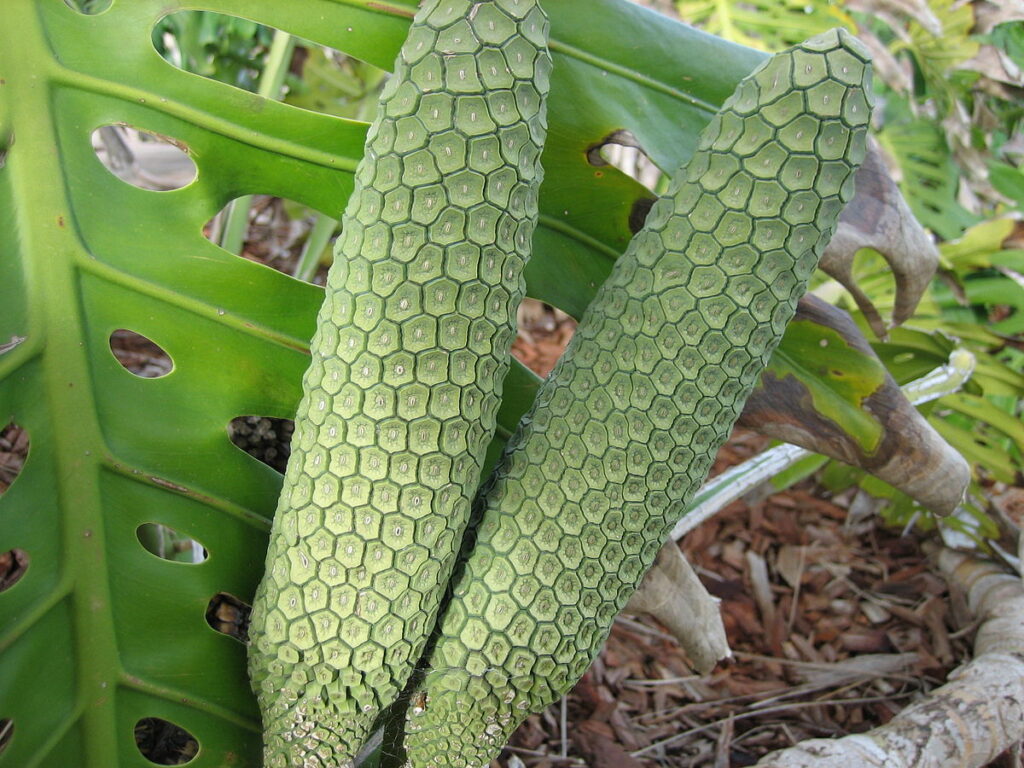
What fruit salad plant fruit looks like
Young plants will take a while to produce edible fruit. The delicious fruit of the fruit salad plant is a round, green corn shaped pod covered in green hexagonal tiles that split open to reveal sweet-smelling pulp inside as the fruit ripens.
The pulp tastes similar to strawberries with other tropical fruits mixed in, and has a sweet scent. It’s been described as “a cross between banana custard and bubble gum” by those who have eaten it before. Do you want one now?
Just make sure not to eat it before it is ripe, as the calcium oxalate crystals within unripe fruit can irritate your mouth and make you sick. Monstera Fruit salad plants fruit typically in Summer and Autumn.
Where to get fruit salad plants
If you’re looking for a fruit salad plant, you can find them at most nurseries or online garden retailers. They usually cost between $15 and $30, but the price may vary depending on the size of the plant, with larger more established plants going for over $100.
I have been lucky enough to find them growing wild in Sydney, Australia, and have taken cuttings home to grow. Just be environmentally responsible about not letting your fruit salad plant spread because they can be considered a mildly invasive species.
How to grow fruit salad plants
Growing Monstera fruit salad plants is a fairly simple process that doesn’t require much maintenance. The fruit salad plant grows best in soil with good drainage and full sun but can tolerate partial shade if necessary.
If planting outdoors, plant the seedlings at least one foot apart so there’s room for them to grow without overcrowding each other out of sunlight or nutrients from the soil.
Water your Monstera fruit salad plants every day until they’re established, then just once per week after that (unless it gets really hot outside). If you want more fruit production than what comes naturally on these vines, try pruning back some of their branches during summer months when fruits are not forming as heavily as usual so new growth will occur in place of old ones
Fruit salad plants can also be grown indoors in pots. The Plant requires soil that will let the water drain – excess water can cause root rot to develop. The plant will tolerate a small pot and relatively poor soil, as well as a variation in light – strong direct light from the sun can burn the leaves, so bright indirect light is best.
Because Monstera are from tropical areas, they love the humidity, so a good tip is to grow them in a bathroom with good sun light and some humidity, and wipe down the leaves with a damp cloth to clean them. It also makes them ideal for placement in Rain Gardens.

How to propagate fruit salad plants
The Monstera fruit salad plant can be propagated by seed, cuttings or root division.
A successful propagation method of layering involves wrapping stems around stakes or wireframes until they form roots on their own, and then cutting off sections containing at least one node with aerial roots.
Allow nodes to callus by leaving them exposed to air for a few hours, and then place them into a vessel of water. Once they have taken root in the water, transfer them to pots with good quality well-draining potting mix, and keep them indoors or in a greenhouse to promote vigorous growth before planting outside.
Fertilizing fruit salad plants
I generally don’t fertilise Monstera fruit salad plants as they tend to do quite well without it. However, if your plant is looking a bit pale or isn’t growing very fast, you can give it a little boost by adding some diluted liquid fertiliser every few weeks.
How climate affects Monstera fruit salad plants
The Monstera fruit salad plant grows best in warm climates where temperatures range above 5 degrees Celsius (40 degrees Fahrenheit). If you live in an area with colder winters, you may need to bring your fruit salad plant inside or provide extra warmth via a greenhouse or cloche.
They can survive brief periods of cold weather down to about -0. degrees Celsius (30 degrees Fahrenheit), but prolonged exposure to colder temperatures will kill them.

Pests and diseases that affect fruit salad plants
The Monstera fruit salad plant is generally quite hardy and resistant to pests and diseases, but can be affected by aphids, mealybugs, scale insects or whiteflies. If your plant appears to be suffering from any of these conditions, try spraying it with horticultural oil or insecticidal soap.
Final thoughts on the fruit salad plant
The fruit salad plant is an interesting and exotic addition to any garden. It’s easy to grow, doesn’t need a lot of water or fertiliser, and tastes delicious! So if you’re looking for something new to add to your garden, be sure to check out the fruit salad plant. Thanks for reading!