Have you ever wondered how to grow your own hydroponic plants? Hydroponic plants can offer a healthy, valuable solution in many cases. A growing number of people are looking for opportunities to begin growing their own homegrown produce through hydroponic systems. So how is it different and what are the benefits? Read on..
Introduction to Hydroponic Plants
Have you ever thought about growing your own homegrown plants, only to realize that you don’t have the space needed to do so? Growing hydroponic plants with a specialist system can provide an excellent solution in many cases, and with this in mind, we have outlined some of the different benefits of hydroponic systems as follows.

From their more economical growing opportunities through to being easier to grow and more, there’s certainly a whole lot to love about growing with a hydroponics system, compared with conventional gardening. So, let’s take a look at some of the key things you should know about creating your own hydroponics system; it’s surprisingly easy and can offer a myriad of benefits overall.
What are Hydroponic Plants?
Before we look any further, we need to start by briefly defining what hydroponic plants are. At their simplest, hydroponic plants are plants that are grown without soil or other such growing mediums. Instead, hydroponic plants grow directly in nutrient-rich water, supported by a complex and thick root bed system that supports their growth and development.
“A garden is not a place, it’s a journey”
monty don
What Plants Can be Grown in Hydroponic Systems?
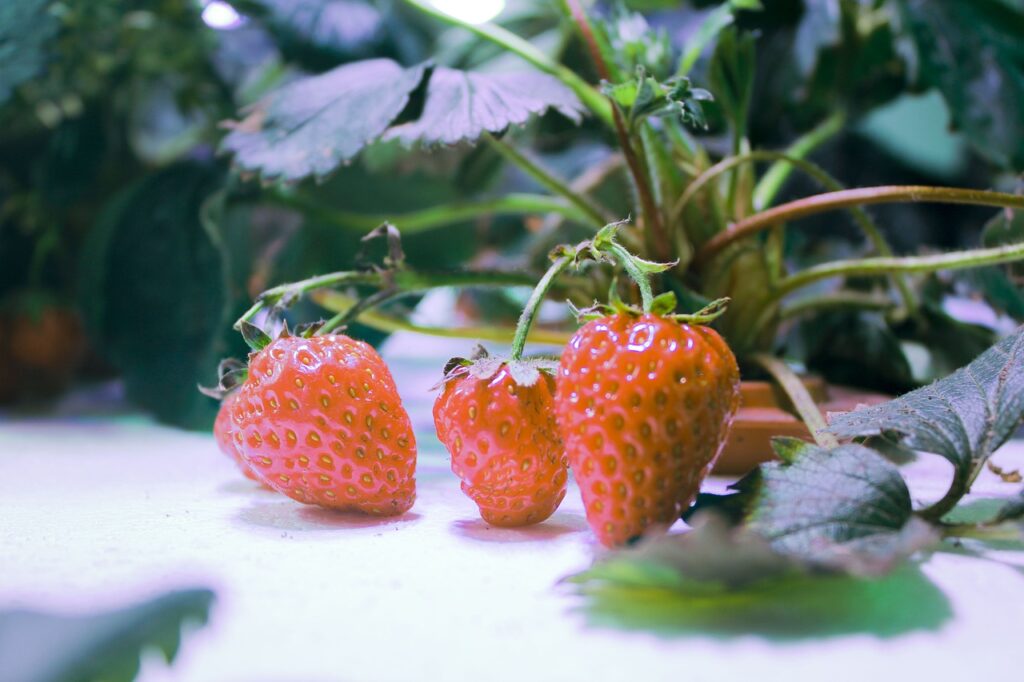
Hydroponics systems are incredibly versatile, meaning that an equally diverse range of plant species can be grown hydroponically. However, hydroponic gardens are most cost-effective for growing leafy greens, although with a little more time and care, you can also grow other vegetables such as tomatoes, hot peppers, hydroponic strawberries, cucumbers, bok choy, a variety of fresh herbs, and many other plants.
As such, this offers plenty of potential for those wanting to give hydroponic growing methods a try; it might just be a valuable opportunity for your own homegrown produce. However, it’s worth noting that plants which usually grow underground (namely root crops such as potatoes, carrots, beetroot and the like) are not suitable for growing with hydroponic growing systems.
What Materials do you Need for Hydroponic Gardening?
Many people assume that growing plants hydroponically will come with countless challenges; however, this isn’t the case in many instances. In fact, growing hydroponic plants is often surprisingly simple, and there are numerous opportunities to make the most of your growing goals.
Of course, if you have the money to spend, you could invest in a pre-fabricated hydroponic growing system. However, if you don’t feel like spending thousands on hydroponic gardening, you may instead want to consider a homemade, DIY hydroponic plant growing solution.
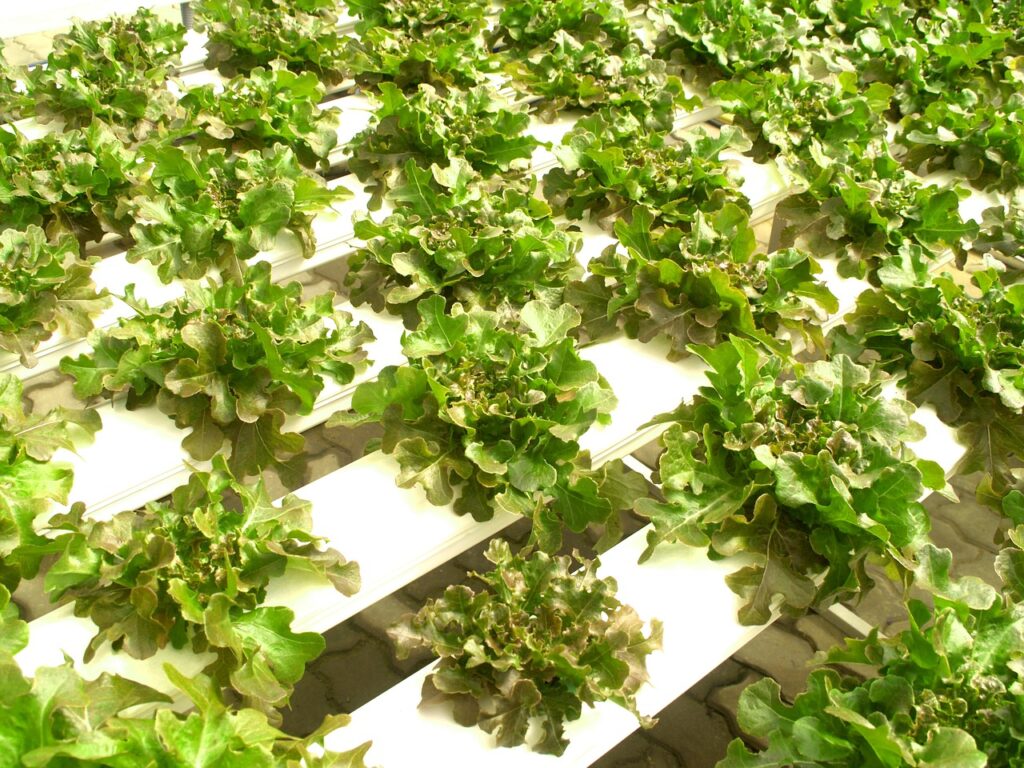
There are numerous ways to create your own hydroponic system; all you’ll need to create a basic system include the following:
- A tray for germinating seeds
- Grow lights (can be optional)
- Trays or PVC pipe for growing
- A container for water
- Suction pipes to transfer water around the system
- Nutrient solution
- Some nylon cord or cotton
- Tap water
What are the Different Types of Hydroponics
At this point, we’ve outlined the basic materials you will need to create your own hydroponics system if you don’t feel like purchasing one outright. However, if you have been considering a hydroponics system for your property, it’s critical to consider the different types of hydroponics to determine which might be the most effective for your own growing efforts.
Some of the most common varieties of hydroponic growing system designs include:
- Aquaponics – keeping fish to fertilize the water
- Deep-water culture – placing plant roots directly into nutrient solution
- Wicking – doesn’t need pumps or power, wicks are used to go down into the nutrient solution
- Dripper – controlled drip-feeding of solution to the plant base
- Aeroponics – plants are suspended in air, getting sprayed with nutrient solution
- Nutrient film techniques – nutrient solution flowing from a large reservoir
- Ebb and flow system – plants in a grow bed are flooded with solution, needing a pump
These are just several of the different options available if you have been considering creating your own hydroponic system. It’s always worth doing a little research into these different systems before starting with your own hydroponics efforts, as this may help you find the most suitable solution for your own facilities and goals.
What is the Difference Between Aquaponics and Hydroponics?
Aquaponics combines the concepts of hydroponics with rearing fish. In turn, this provides a system whereby the fish waste fertilizes the water for the plants, keeping them healthy and growing well. In addition, this system also provides the added benefit of producing fresh fish, which you could potentially grow for your own use with the correct licenses and care. It’s a smart, sustainable design when done effectively.
As such, more and more people are turning to aquaponics systems as a dual-purpose growing solution, and this may be something that’s worth considering if you have been looking to cut your costs and optimize the available space within your property. What’s more, aquaponics is also effective for cutting reliance on artificial minerals within the water. By contrast, providing artificial minerals and nutrient fertilizers within the water may otherwise be necessary for hydroponic systems.
What is the Best Hydroponic System?
Unfortunately, there is no quick or simple answer to this question; indeed, there are numerous different hydroponic systems you could implement, each with its own pros and cons.
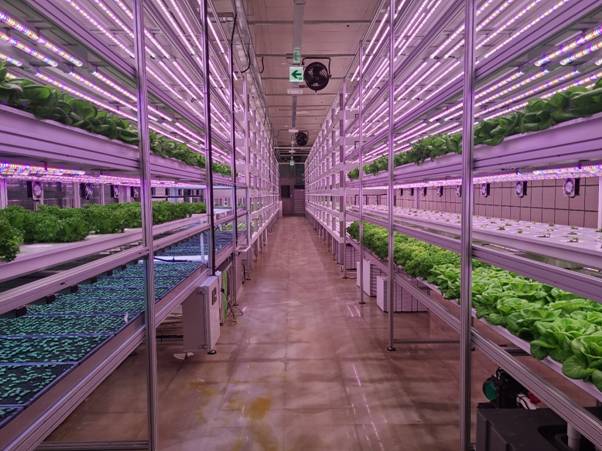
After all, everyone has different requirements from their hydroponic systems. As such, it’s critical to consider your personal situation before deciding. However, if the productivity of available space is your main goal, aquaponics may be a great option; alternatively, if you’re looking for a simple system with minimal hassle, ebb & flow systems may be easier to create and manage. Most systems involve water sustainability and little waste.
Are Hydroponic Plants Safe to Eat?
This is a concern for many people since it can often be a little difficult to trust the safety of hydroponically grown crops and produce; after all, it can seem unnatural.
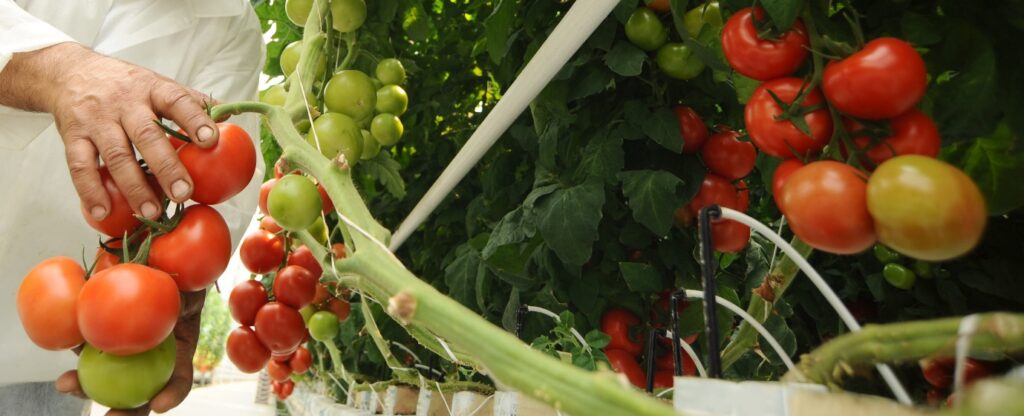
However, hydroponics is just another alternative to traditional growing methods. Plants that have been grown hydroponically should be safe to eat as long as they are washed and prepared properly before serving. In fact, as explained by GaiaCA, hydroponic crops actually have less risk of contamination from foreign bodies and the like. Since it’s generally a less pest-abundant environment, it’s possible to argue that hydroponic plants may even be a safer alternative to traditionally grown crops.
What are the Advantages of Hydroponics?
Hydroponic systems can naturally offer countless advantages and benefits, and this can make them highly effective for a myriad of solutions. Some of the key benefits of hydroponic systems include:

1. They’re cheap to set up – while a pre-fabricated system will probably be expensive, a homemade hydroponics unit is incredibly affordable to make out of a few trays and pumps.
2. Crops and produce grown by hydroponics may have fewer environmental contaminants, potentially making them safer to eat.
3. Hydroponics helps maximize the amount of yield from a small amount of space, making it ideal for use in small space environments.
4. Hydroponics can also be combined with growing fish using aquaponics to maximize the production potential.
5. If you’re not the sort of person who enjoys getting “down and dirty” when growing crops, this could be a better solution.
What are the Disadvantages of Hydroponics?
There are several great benefits of hydroponic systems – but, naturally, they may not be an ideal solution in every scenario. Notably, hydroponic systems are expensive to buy if you don’t have the tools to make a DIY version. What’s more, you will also need to ensure that you have suitable skills to grow hydroponic crops and provide suitable nutrition, as failing to do so could impact the success of your crops overall.
Summary – Hydroponic Plants
You can set up a hydroponic garden quite easily and cost-effectively. There are many different plants you can grow hydroponically and these kind of gardens are also relatively low maintenance.
Hydroponic plants could be an excellent growing option for your own needs, especially if you don’t entirely appreciate the thought of getting your hands dirty (literally). Plus, hydroponic plants are safe to eat when they are grown and prepared correctly and offer an excellent, space-saving way to grow your own plants from home. It involves several of the permaculture principles which you can read about here.
Make sure you do your research to find out which method might suit you best and exactly what materials you will need and enjoy your gardening!
Have you tried growing plants hydroponically? How successful were you? Let us know in the comments!