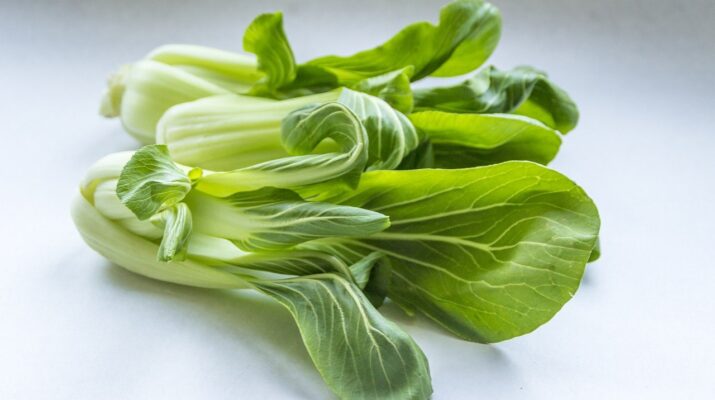
Pak Choi is an Asian vegetable and it can be eaten raw or cooked. It is relatively easy to grow too, so read on for more information on growing pak choi.
Introduction
Pak Choi is in the Chinese cabbage family (Botanical Name Brassica rapa var) and is used in various East Asian dishes.
You can use its baby leaves in stir-fries or salads and cook them as vegetables in various dishes when semi-mature or fully grown.
Growing pak choi is relatively simple, and you can grow it indoors or outdoors. So, keep reading if you’re interested in growing your own pak choi.
In this blog post, we’ll show you a step-by-step process for growing pak choi and will answer some common questions about this vegetable crop.
How Long Does It Take To Grow Pak Choi?
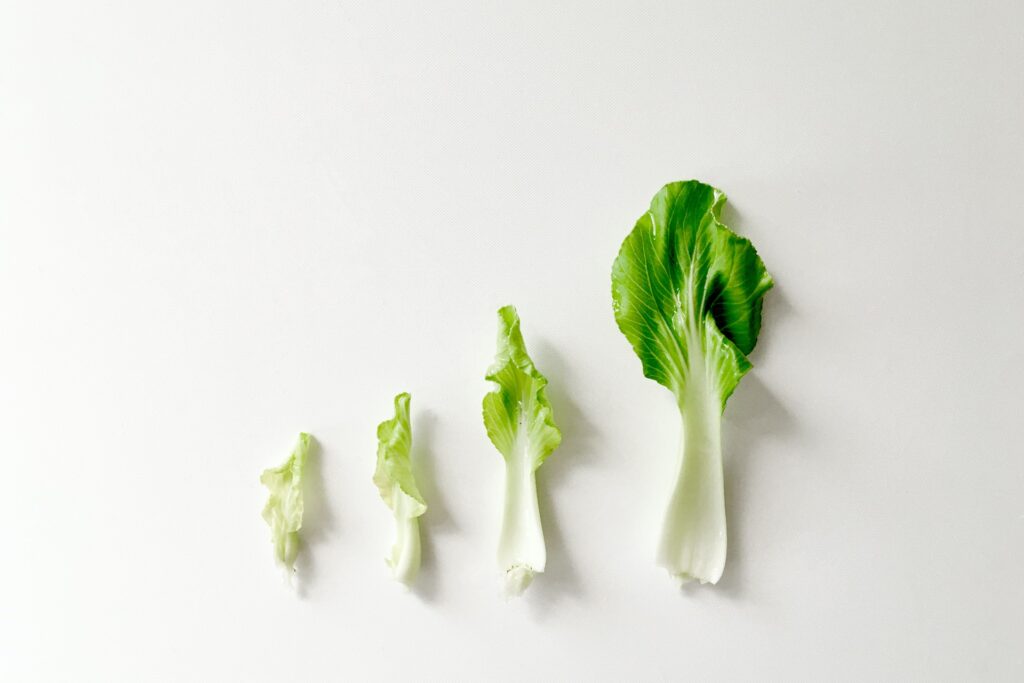
Pak choi grows relatively quickly. It takes approximately 45-70 days to grow from the seed to harvest fully. However, you can start reaping the baby leaves in as little as 30 days. You can then use them in salads or as a stir-fry ingredient.
Is Pak Choi Easy To Grow?
Yes, pak choi is an easy crop to grow. However, these plants can bolt in hot weather, so keep it well-watered and in partial shade to avoid bolting.
It’s best to plant pak choi in the cooler months, as it’s a cool-season crop. It’s also crucial to give your plants enough space to grow. Pak choi needs about 4-6 inches (10-15 cm) between plants.

Growing Pak Choi From Seeds?
Growing pak choi from seeds is easy. It germinates and develops quickly if the soil (or compost) is rich and moisture-retentive. Pak Choi plants prefer rich, well-drained soil with a pH of 6.0 to 7.0.
Before you sow or plant, add some organic matter such as compost to the ground during the growing season to help it grow better. It is an excellent natural fertilizer for the crops and ensures they are lush and healthy.
Suppose you are sowing directly in the garden; plant a week before your last frost date. It usually takes four to eight days for seeds to germinate. You can sow seeds indoors about 4 to 6 weeks before the later frost date in your area.
Step 1: Sow The Seeds
Sow pak choi seeds thinly, half an inch (1cm) deep, and about 9 inches apart in seed trays of moist compost. It takes five-seven days for seeds to germinate—thin out young seedlings to prevent overcrowding and keep them well watered.
Step 2: Transplanting
When the seedlings are 2in (5cm) tall, transplant them outdoors. Plant them in moist soil, firming them in well. Water newly transplanted plants regularly to avoid bolting and cover them with horticultural fleece to keep pests like flea beetles out.
Step 3: Harvesting Pak Choi
Pak Choi is ready to harvest when the stalks are about 10 inches tall. Most pak choi varieties will be good to harvest 50 to 70 days after germination.
However, you can also harvest them as ‘baby’ leaves when they are about four weeks old (30 to 35 days). You can use these leaves in salads or as a garnish.
Use a sharp knife to cut the Pak Choy plant. Slice plants off about 1 inch above the ground when you’ve harvested all the leaves, and they should re-sprout for you, or you can propagate them in water. You can cut the entire plant or harvest the leaves as needed.
Can Pak Choi Be Grown In Pots?
Yes. Pak choi grows well in pots and containers. You can also plant them on your windowsill. All you need is a pot at least 8 to 10 inches deep.
Fill the pot or container 1 inch below the container ring with moist, well-draining potting mix.
Sow the seeds thinly and water them regularly when the seedlings are about 2 inches tall; thin them out to prevent overcrowding.
Water pak choi plants regularly, especially during dry spells, and fertilize them once a month with a liquid fertilizer.
Harvest baby Pak Choi leaves after about 30 days or wait for the full-grown plant.
“There’s something satisfying about getting your hands in the soil.”
e.a.bucchianeri
When Should I Plant Pak Choi?
Pak choi is a cool-season crop and does best when the temperatures are between 45°F to 70°F (15°C to 21°C). But it can bolt if the temperature gets too high. Once it bolts, it stops developing edible stalks and leaves.
For this reason, planting pak choi in spring or autumn is best. You can also sow the seeds in early spring (about four to six weeks before the last frost date) or late summer for a fall crop.
Is Pak Choi The Same As Bok Choi?
Yes, Pak choi is the same as bok Choy. Pak Choi, and Bok Choy refer to the same vegetable, the Chinese cabbage scientifically known as Brassica rapa.
In North America, the most common term for Chinese white cabbage is bok choy, while Pak Choi is used more in Australia, the UK, South Africa, and other Commonwealth Nations.
Pak Choi or Bok Choy is also known as celery cabbage, napa cabbage, Chinese chard, Spoon cabbage, celery mustard, and Chinese white cabbage. It belongs to the Brassicaceae family of cruciferous vegetables and includes mustard greens, kale, Brussels sprouts, and broccoli.

Does Pak Choi Require Full Sun?
Pak Choy grows best in full sun to partial shade. Typically, it needs six hours of direct sun each day. If you want to grow it in winter, place it near a south-facing window.
If you live in a hot climate (For example, if your area falls in USDA Zone 11), it’s best to provide partial shade to prevent the leaves from wilting in the summer.
How Much Watering Does Pak Choi Need?
Pak Choi or Bok Choy needs moist soil to prevent bolting. Water regularly, especially during dry spells. However, ensure you do not over-water as it can lead to fungal diseases like root rot. It’s best to give Pak Choy one inch of water weekly so the soil stays moist between waterings.
“Don’t judge each day by the harvest you reap but by the seeds that you plant”
robert louis stevenson
Does Pak Choi Grow Back After Harvesting?
Yes, of course! Pak choi will grow back after harvesting if you leave about 1 inch of the stem. You can also propagate them in water.
Whether you harvest it from your garden or buy it from a store, you can use it to grow a new set of leaves and stalks.
If you harvested Pak Choy from your garden, leave a small stem in the ground about 1 inch tall (2.5 cm). Keep watering it, and you’ll see new growth after a few days.
Can You Eat Pak Choi Raw?
Yes, you can eat Pak Choi or Bok Choy raw. Raw Pak Choy is a very tender and light vegetable because it is highly porous. And the stalks are crunchy. Adding thinly sliced raw Pak Choi or Bok Choy to salads is the best way to eat it.

Can Pak Choi Suffer From Diseases?
Pak Choy is susceptible to pests and diseases just like any other plant. The following are some of the most common problems as well as their solutions:
Flea beetle
These are tiny black or brown beetles that chew small holes in the leaves. On damaged leaves, small holes appear, and the area turns brown. They can quickly decimate a young pak choi plant.
Solution
The best way to keep them at bay is to use horticultural fleece as a physical barrier and keep the soil moist.
Cabbage Root Fly
If you find small flies or maggots on the roots, or if the roots have tunnels or holes, these are signs of trouble. The larvae of this fly feed on the roots of brassica plants, including pak choi. This can stunt the plant’s growth and make it more susceptible to bolting.
Solution
The best way to prevent Chinese cabbage or bok choy root flies is to use a barrier such as horticultural fleece. Alternatively, secure each stem with four-inch (10 cm) mats with a slit at the end to allow the mat to fit over them securely. It prevents the root fly from taking hold.
Powdery Mildew
This white powdery fungus appears on the leaves and causes them to stunt and shrivel.
Solution
To prevent powdery mildew, space your plants out correctly to ensure good air circulation and moisten the soil. Alternatively, you can use a fungicide.

Downy Mildew
This fungal disease appears as white or grayish-purple patches on the leaves and is most often seen in humid or wet conditions.
Solution
You can prevent it by watering the plants in the morning so the leaves can dry before nightfall. If you see any affected leaves, remove them immediately and destroy them.
Besides that, you may also find other pests such as aphids, cabbage whitefly, cabbage worms, caterpillars, yellow virus, clubroot, black rot, slugs, snails, birds, and slugs. However, you can usually avoid most problems with frequent watering, protective mesh, disease-resistant breeds, and companion planting.

Conclusion
So, growing Pak Choi or Bok Choy is not difficult and they can be grown indoors or outdoors. You can successfully grow these vegetables in your home garden with the proper care.
Just remember to water them regularly, provide some shade during hot weather, and fertilize them with organic matter.
If you follow these tips, you can harvest delicious and healthy Pak Choi or Bok Choy from your garden.
Might also be interested to read: