This article provides an overview of Lilly Pilly trees, one of the more beautiful native Australian plants, including their physical characteristics, growth habits, various features and different varieties.
Introduction
Lilly pilly trees are a type of tree that grow in the Australian bush. Lilly pilly trees have many uses, including as a hedge or to grow fruit on. Lilly pillies are also known for their beautiful flowers that bloom at different times throughout the year and produce an array of colours from yellow to purple.
Lilly pillies are the ideal tree for anyone looking to add some Australian flavour to their garden or backyard. This article will discuss everything you need to know about Lilly pilly trees, including where to find them, how to care for them, and what uses they have.
What Is a Lilly Pilly Tree?
Lilly pilly trees are a type of evergreen tree that is found in the tropical regions of the world. They are also known by the scientific name Syzygium paniculatum. They are a member of the myrtle family and are related to the Australian brush cherry.
Lilly pillies can reach heights of 15-20 feet (4.5-6 meters), with a spread of 10-12 feet (3-3.6 meters). They have glossy, dark green leaves and produce small, white flowers in summer.
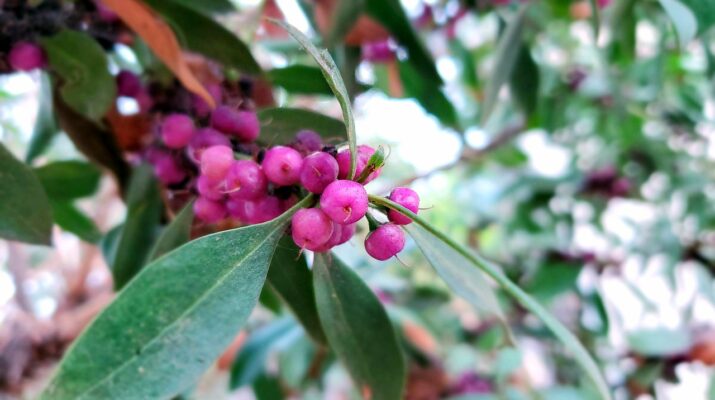
Lilly pillies have dark green foliage, and their leaves are a lanceolate shape. The new growth on Lilly pillies is a beautiful reddish-purple colour. The flowers on Lilly pillies are small and white, and the fruit is a dark red. Lilly pilly has edible fruits and tastes somewhat like cherry, plum or raspberry.
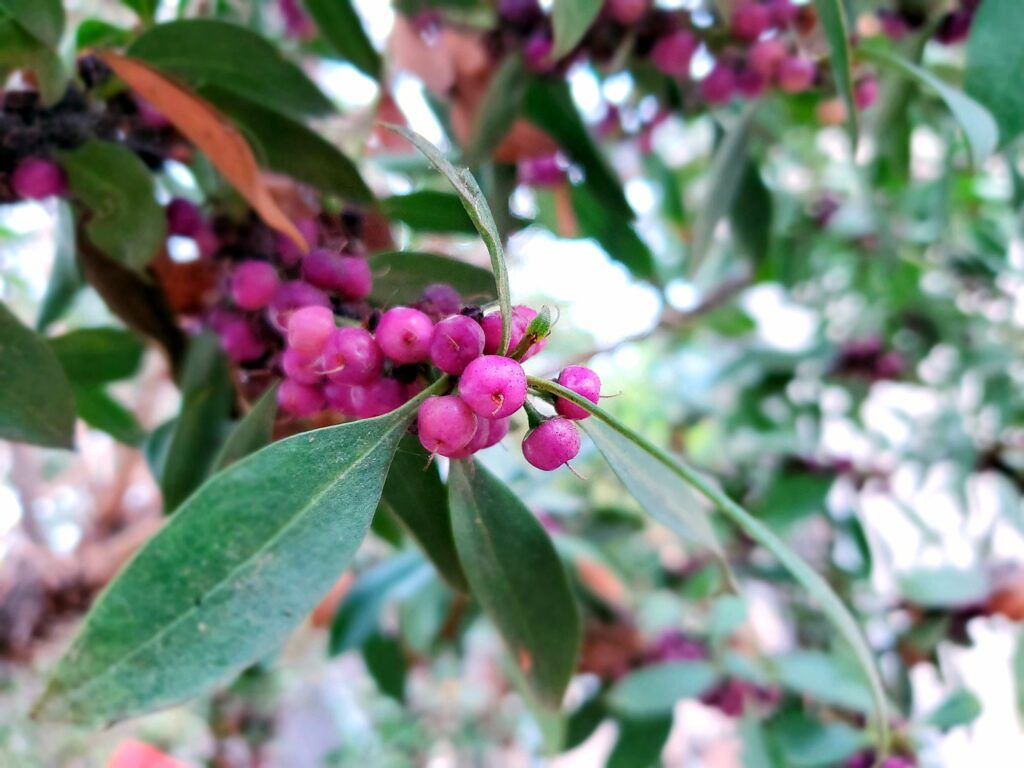
One of the great things about this plant is its range of fruit colours. There are several Lilly pilly varieties that produce purple fruit, while others have red or black fruit. The fruits are edible and taste similar to cherries or plums. Lilly pillies are also popular for their ornamental value – their dark green foliage and new growth are very attractive.

How Fast Do Lilly Pilly Trees Grow?
Lilly pilly trees are a popular choice for hedges and privacy screens, as they grow quickly and can create a dense green barrier. Depending on the climate and soil conditions, Lilly pillies grow 2m a year for 3-5 years. Lilly pillies grown in favourable climates will mature faster than in colder regions.
Are Lilly Pilly Tree Roots Invasive?
Lilly pilly trees are generally considered to be very low-maintenance. They are hardy plants that can tolerate dry periods and wind well. In fact, they grow best in full sun and well-drained soil types. Lilly pillies do not require regular watering once they have been established, but they will benefit from being watered regularly during the early stages of growth.
So, are Lilly pilly tree roots invasive? No, not generally. Lilly pilly is a moderate to fast-growing tree and can reach heights of up to 12 meters (39 feet). They will spread outwards as they grow, but their roots are not typically invasive. However, if you have limited space in your garden or are planting Lilly pilly trees in an area prone to flooding, you may want to consider a smaller variety of Lilly pilly.
Is a Lilly Pilly Hedge a Good Idea?
Yes, a Lilly pilly hedge can be a great idea, as they provide excellent privacy and security. Lilly pillies are fast-growing, tolerant of a variety of soils, and easy to care for. They can be grown as a standalone tree or as part of a hedgerow. Lilly pillies make an excellent privacy hedge, as they grow quite tall and densely. They also provide good shade and habitat for birds and other wildlife.
“After much discussion, our new hedge will be lilly pillies. Lilly pillies range from dwarf and very decorative ones that grow about 1-metre-high in neat pink tinged umbrella shapes, to others that grow up to three metres. All make excellent hedges.”
Jackie French (CanberraTimes.com.au)
If you are thinking of planting a Lilly pilly hedge, be sure to choose a variety that is suited to your climate and growing conditions. Some Lilly pillies are better suited to colder climates, while others do well in warmer areas. Be sure to also choose a Lilly pilly that is tolerant of the type of soil you have.
Does Lilly Pilly Flower?
Yes, Lilly pillies (Syzygium paniculatum) do flower. In fact, they are known for their beautiful white flowers that appear in spring and summer. The flowers are located on the ends of the branches and are surrounded by five petals. They typically bloom from September to November. The newer Lilly pilly varieties don’t flower as much as the older ones, but their hardiness and versatility make them a popular choice for gardens.

Can You Eat Lilly Pilly Berries?
Yes! You most definitely can eat Lilly pilly berries. They’re not only edible, but they’re also incredibly delicious and nutritious.
The fruits of all 60 Lilly pilly species in Australia are edible, and they’re all used for something different. The berries from the Lilly pilly tree are usually eaten raw, but they can also be used in jams, jellies, and sauces.
Lilly pilly berries are a good source of vitamin C and other nutrients like potassium, magnesium, and copper. They’re also a good source of antioxidants, which can help protect your body against free radicals and other harmful toxins, meaning they’re great for your immune system!
How to Prune Lilly Pilly
In general, Lilly pillies require little maintenance. However, they will benefit from being pruned occasionally to keep them looking neat and healthy. Here’s how to go about it:
1. Start by identifying the main branches of the tree. These will be the ones that you want to keep and will form the framework of the tree.
2. Remove any branches that are growing in the wrong direction, are too thin or are crossing over other branches.
3. Cut back the remaining branches by about a third. Make sure to cut them at an angle so that new growth is encouraged.
4. Repeat this process every few months to keep your Lilly pilly looking its best.

How to Propagate Lilly Pillies
If you want to propagate a Lilly pilly tree, there are a few different methods you can try:
1. Take a cutting from an existing tree and place it in water or soil.
2. Graft a branch from one tree onto another tree.
3. Take a seed and plant it in the soil.

4. Create a rooting hormone and dip the cutting into it.
5. Place the cutting in moist sand until it starts to grow roots.
Whichever method you choose, make sure that the climate is suitable for your Lilly pilly and that the soil is well-drained.
When to Plant Lilly Pilly
When to plant a Lilly pilly tree will depend on the climate and the type of Lilly pilly you are planting. In general, however, Lilly pillies can be planted in spring or autumn.
If you are planting a cold-hardy Lilly pilly in a colder climate, you will need to wait until after the last frost has passed before planting. Autumn is typically the best time to plant cold-hardy Lilly pillies, as they will have time to become established before winter.
If you are planting a tropical or sub-tropical Lilly pilly in a warmer climate, you can plant it year-round. Early spring is typically the best time to plant these types of Lilly pillies, as they will have time to become established before the heat of summer.
When buying a Lilly pilly tree, make sure to ask the seller about the best time to plant it in your area.
How Many Lilly Pilly Varieties Are There?
There are a number of different varieties of Lilly pilly tree, each with its unique characteristics. Three of the major varieties include:
● Acmena: This variety is cold-hardy and can tolerate temperatures down to -5 degrees Celsius. It grows up to 15 meters tall and has a broad canopy.
● Syzygium Australe: This variety is also cold-hardy and can tolerate temperatures down to -5 degrees Celsius. It grows up to 12 meters tall and has a narrow canopy.
● Waterhousea: Waterhousea is a tropical variety and cannot tolerate cold temperatures. It grows up to 6 meters tall and has a broad canopy.

Conclusion
Lilly pilly trees are a great addition to any garden design. They are hardy plants that can tolerate a range of soil types, weather conditions and sun exposures, and they produce delicious fruits that can be eaten fresh or used in recipes. There are many different varieties of Lilly pilly trees, so you can find the perfect one for your needs. Be sure to water your tree regularly, especially during dry periods, and enjoy the delicious fruit it produces.