Sustainability projects are starting to become the norm in schools. What are the issues around sustainability, and how can we incorporate it in schools for the younger generations?
Introduction to Sustainability Projects in Schools
When thinking about sustainability, people tend to think about environmental issues, but it also includes social and economic problems. In the Australian curriculum, the focus is on the environment. By undertaking sustainability projects, students can start to reduce their ecological footprints and think about making our society more livable. Economic issues could also be incorporated into sustainability issues for older students.
Sustainability can be incorporated into any school subject, raising awareness of environmental, social, and economic issues, and small children can get involved too.
What are the main sustainability issues?
Sustainability is concerned with making decisions that don’t negatively impact the planet or cause problems for future generations. For students, we can begin with issues at home and school.
Students can begin by thinking about the use of products at home and school. Parents and educators can make students aware of not wasting resources by upcycling, recycling, and reselling.
Careful use of water and energy are also ways that students can practice sustainability. They can be taught that simple actions like turning off lights when they leave a room or not leaving the tap running when they brush their teeth are part of a sustainable practice that can help reduce waste.
Caring for the environment and living things is another critical issue for sustainability. Loss of habitat is causing an imbalance in our ecosystems. By looking at the world around them, students learn awareness of the fragile nature of our planet and the importance of compassion for other living things.

What is a sustainability project?
When students do sustainability projects in school, it teaches them how to practice sustainability as a part of their everyday lives. A project will introduce a problem that needs to be solved. The student then develops a course of action which they implement. After they have done the project, they should evaluate the effectiveness of their solution and reflect on how they can implement that solution in other ways. There isn’t a minimum age for learning about sustainability. Even small children can do a sustainability project with the guidance of teachers and parents.
“The greatest threat to our planet is the belief that someone else will save it.”
robert swan
Why are sustainability projects important?
Sustainability projects teach children about sustainability in a hands-on way. It raises awareness of the planet’s issues and helps them learn how they can be change agents. Providing students with projects emphasises independent learning and problem-solving. This is good for the environment but allows them to learn skills to help their education.
How can schools promote sustainability?
Just as parents are their children’s first role models, schools can promote sustainability by leading by example. At a basic level, schools can involve their students in finding ways to reduce waste or recycle in school. Children can be encouraged to read books with environmental themes, and the school can provide suitable quality reading materials in the school library. In addition to this, schools can promote awareness for incorporating environmental themes in all subjects, not just science.
“There is no such thing as ‘away.’
When we throw anything away it must go somewhere”
annie leonard
Why should we teach sustainability in schools?
Teaching sustainability can make children aware of the issues facing our planet. Help them understand that there is more than one solution for every problem, and make them think about change and how to look after the environment. To learn more about sustainability topics in the Australian curriculum, see Australian Curriculum: Sustainability.

What are some examples of sustainability projects?
Sustainability projects can range in scale from whole school activities that involve the community to individual actions in the classroom or at home. Children of all ages can take part in sustainability projects. Whatever the project, it will help raise awareness of our lifestyle and its effect on the environment, society, and the economy. In primary school and middle school, it is more usual to focus on the environment and society; however, it may be possible to implement a sustainability project as part of Economics classes in high school. Here are some examples of sustainability projects that children of all ages can participate in.
Recycling – sustainability projects
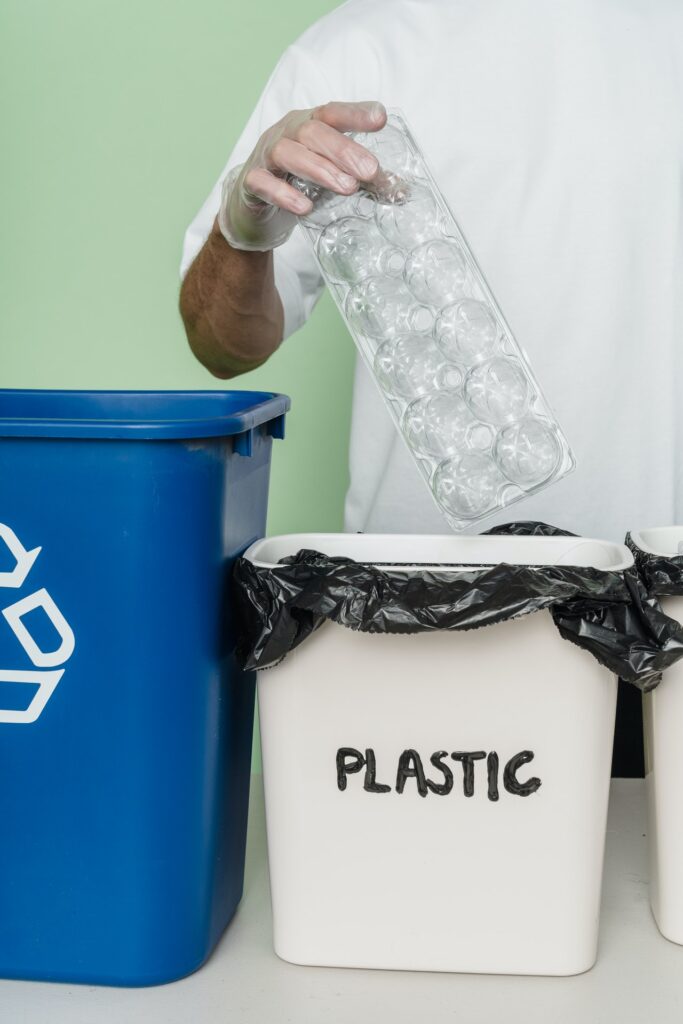
From a very early age, children can learn sustainability practices. In a rubbish bin sorting project, children can use pictures of everyday items at home and sort them into different categories. Teach them how to read the recycling labels and know that the whole product may not be recyclable, but certain parts may be. They can then decide whether they can be recycled or whether they go into landfill. This activity is an excellent opportunity for the children to learn more about rubbish disposal and how waste can be minimised. Children may be encouraged to think about much waste they generate and what they can do to minimise waste.
The school could also provide additional recycling bins such as soft plastics (which can’t go in the roadside recycling bins.) Or recycling bins to be able to drop off used electronics. Not all items are fully recyclable, but they will usually list it on the article or it can be found online.
Upcycling
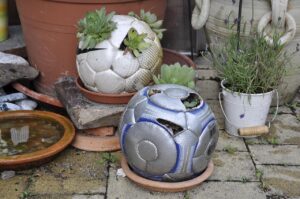
Instead of throwing out unwanted objects, children can upcycle them by converting them into something else that might be useful. For example, old boots can be used as planters; empty jars could be decorated and made into attractive storage jars. The children can be encouraged to use their imagination to find new ways to use old things. If the children make enough upcycled objects, they could be sold to raise funds for an environmental cause.
Toy library – sustainability projects
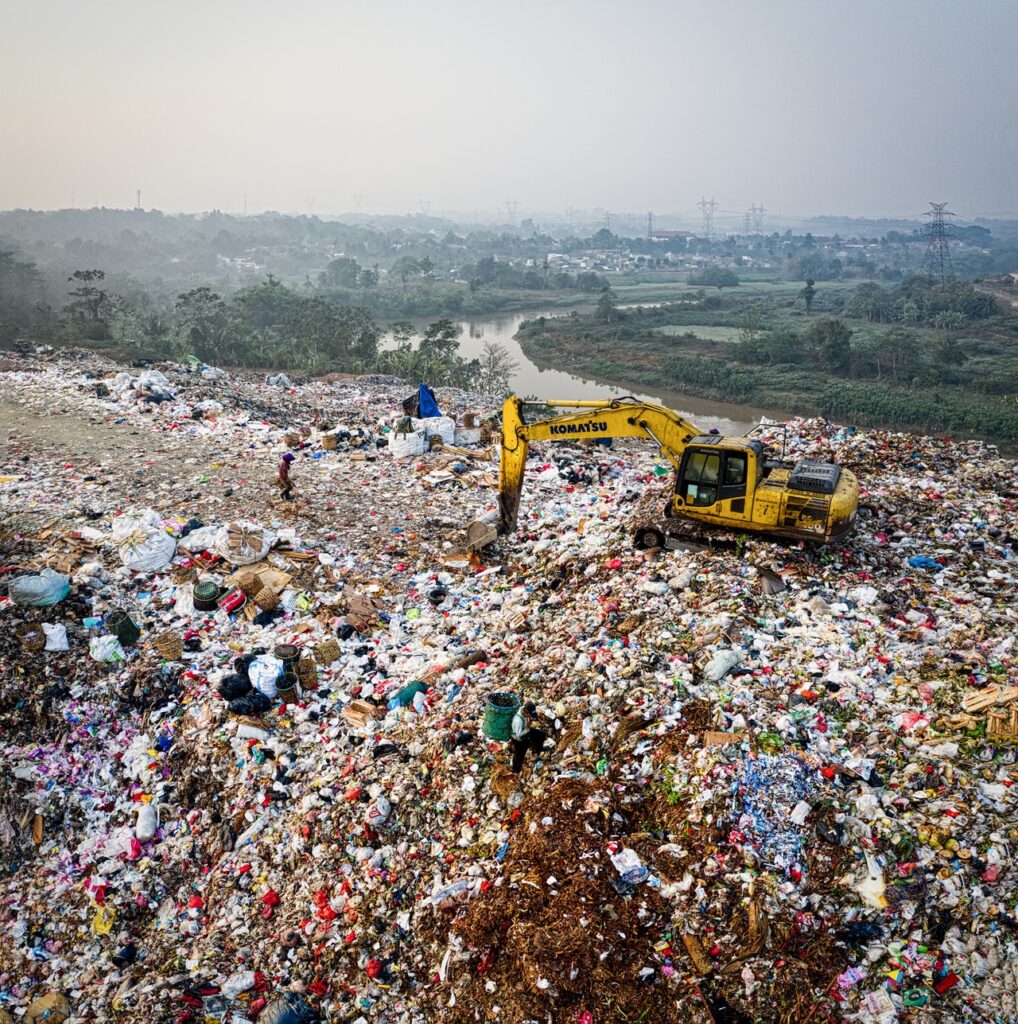
Students can work together to create a toy library where they can bring their old toys and exchange them for toys that other students have brought—encouraging the children to think about waste and how they can reduce the waste they produce. At the same time, teachers can make the children aware of what happens to old toys, introducing the topic of recycling and landfill.
Bird count
Count the birds during National Bird Week in October. Students can spend 20 minutes in their yards or even at school, count all the birds in their area, and submit them to the Aussie Backyard Bird Count. This can teach the children to identify the birds in their area and learn more about the living things in their environment. It can help start discussions on habitat loss and climate change.
Social Impact
Many of us wouldn’t think twice about buying clothes or where they come from. Life isn’t easy for the individuals making some of the clothes with little pay, terrible working conditions, and little to no health and safety standards. But social sustainability is so much more than that. Help students become aware of social sustainability with projects on how it could affect them, someone close to them, or how they contribute with their choices. Include topics like human rights, fair labour practices, living conditions, fair pay, safety, empowerment, equity, and diversity.
Veggie Garden – sustainability projects
Creating and maintaining a school vegetable garden is a project that can involve the whole school. Getting Started with Sustainability in Schools shows how one school built a vegetable garden and a worm farm, which helped improve the school’s thoughts about how to care for the environment. The garden was planned and created as an extra-curricular activity and funded by the City Council.
Having a school garden on school grounds can help teach how to reduce food waste, how much food we need, and how to plant and grow healthy food. This food can also be used to teach students how to cook with local and seasonal produce.
Composting
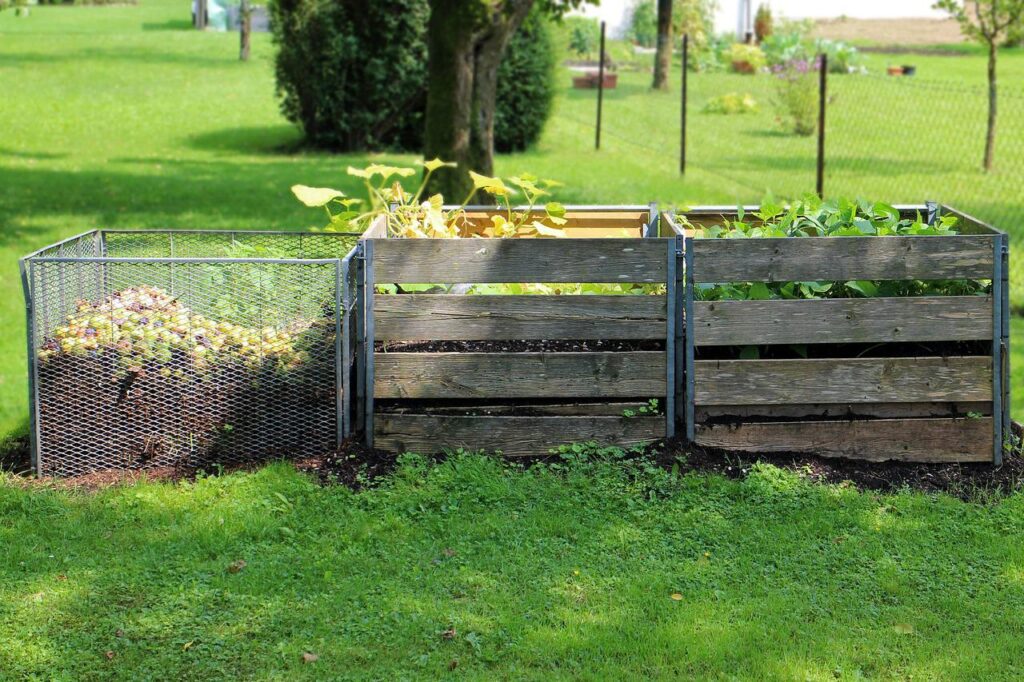
While focusing on our food, we also need to focus on our food waste. If this goes in the regular bin, it will soon be in a landfill. Day to day food waste can be composted, and it also serves as a fertilizer for our gardens. Composting helps in several ways; reducing the amount of garbage disposed of, reducing the use of fertilizers, improving the soil quality, and saving energy by reducing the number of trucks needed to cart the ‘rubbish.’ Use plenty of pictures near the composting bin of what can and can’t be composted to help ensure it isn’t contaminated with items such as meat and bones.
Tree planting
Teaching the students about planting trees and what they can do for sustainability and the environment is a great way to create change. Planting trees provides shade for future generations and can also help improve soil erosion, reduce CO2 through absorption, increase air purification, and provide shelters for wildlife.
When planning, the local environment is taken into consideration to choose the best trees for that area. Local natives are always a good choice. World tree day is the 21st of March, and PlanetArc also has School Tree day on the last Friday in July.
Water and Energy saving
Water-saving projects can be as little as ensuring taps are turned off, and toilet cisterns are working correctly. And ensuring they are reporting them if they aren’t. For energy saving, ensure lights, computers, and other powered items are turned off when not in use to reduce energy consumption. Some items such as lights can be installed with sensors and timers to turn off when not in use. We want to teach students how to conserve our natural resources, preserve our natural environment, reduce our carbon footprint, and reduce our contribution to global warming.
These are all ways that the school community can come together and provide environmental education to help make sustainable choices and sustainable school grounds. Get the local community on board, and the students can become the teacher in their own homes and create a sister school to share ideas and projects. It’s on us to use less water and less energy, recycle what we can, reduce our carbon footprint, and become environmental stewards.

Conclusion – Sustainability Projects in Schools
Students can learn about sustainable practices from a very early age, and sustainability projects in school allow children to learn through practical activities. These projects can encourage independent learning and awareness of how their actions can have an influence on the environment. There are many different types of sustainability projects, and they can be incorporated into any school subject. Students can also participate in sustainability projects at home and the community. Children need to become aware of the challenges facing society and the planet. By participating in projects to raise sustainability awareness, students will feel that they can be change agents.