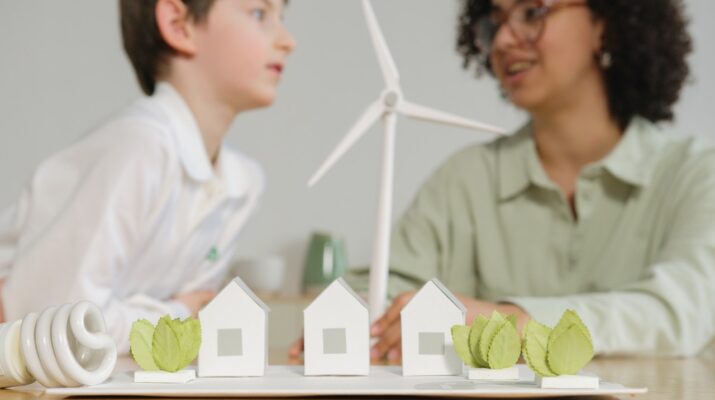
Our desired future may not be easily achieved. But the potential impact on countless future generations makes the effort worthwhile. A sustainable future will benefit the earth if we can reconcile lifestyles with our goals toward a sustainable world. If we do not change our ways now, our world may begin irreversible decline.
Introduction
We’ve all heard “think globally, act locally.” It means that if the globe is to be sustainable, each of us must make changes locally.
We live amidst unprecedented climate change and staggering biodiversity loss. Some argue we are facing an environmental crisis, the consequences of which could be devastating. Given the imminent threat of global warming, ocean acidification, species loss, and many other factors, humans need to drastically come up with effective environmental sustainability goals.
We must first redefine what it means to live sustainably and how to attain it. A sustainable future is more than just doing the right thing and avoiding the wrong things. It’s about utilizing resources efficiently and crafting a future that benefits everybody. To achieve a more sustainable future, we will need to alter our lifestyles drastically.
This article delves more into the issue of a sustainable future.
What Does Sustainable Future Mean?
When we talk about a sustainable future, we mean one where the things we do today don’t make it impossible for generations to come.

It’s not just about the planet, either. We’re talking about the way we treat each other, too. A sustainable future means a world where everyone has enough to survive and where people have access to the resources they need to thrive. It’s a world that’s just, equitable, and fair.
It also means a planet that hasn’t been utterly destroyed by our actions—a place that is still full of wild spaces, diverse species, and natural resources that can be used wisely and carefully.

Why Is a Sustainable Future Important?
A sustainable future is important because it’s important to you!
It’s the place you live. The world where your children will go to school. The place where your grandchildren will grow up. It’s your home, and it matters.
A sustainable future means that our generation and the next generations can live happily and healthily. We will be able to keep enjoying the world around us, with beautiful beaches, forests, and animals that live there.
With a sustainable future, we will be able to continue enjoying resources without worrying about running out. Therefore, the future of sustainability is important because if we don’t change how we live our lives now, we may reach a point when the Earth can no longer sustain life as we know it.
“We won’t have a society if we destroy the environment.”
Margaret mead
Is It Possible to Create a Sustainable Future?
It’s easy to get wrapped up in the discouraging news about the environment, especially with first-world nations that should be leading the charge on climate change and aren’t. It’s up to us to make it heard that we want and expect change for a more sustainable world and a better future. We can make our voices heard with our words and votes and our choices, for example, choosing more sustainable food sources, energy, and products. Even some technology is more sustainable these days.
I believe it’s still early enough to make the kinds of changes necessary to sustain our planet and its people for generations to come. The environment is resilient, but we can’t always start again. We’re seeing more and more small-scale projects making a difference in the collective whole.
Also, it’s possible to make a sustainable future because:
- People are getting more education than ever before.
- There are more opportunities for people who want to make a difference.
- We can find out what others are doing and learn from them.
Although it’s been challenging since immemorial, I’m confident we can figure it out together with many people working towards a sustainable future.

What Is Needed for a Sustainable Future?
As the world population grows, the demand for resources will only increase. We need to embrace sustainable development goals and practices that preserve our environment and ecosystems to meet this demand.
Clean Energy Sources
Clean energy is one of the most important aspects of a sustainable society. While we cannot entirely eliminate our reliance on fossil fuels without developing better alternatives, such as nuclear energy. Reliance on clean energy sources can make a significant impact by reducing our dependence on them.
By using more energy-efficient appliances such as LED lights or electric cars instead of gas guzzlers, we will not only be saving money but also helping nature to thrive.
Recycling
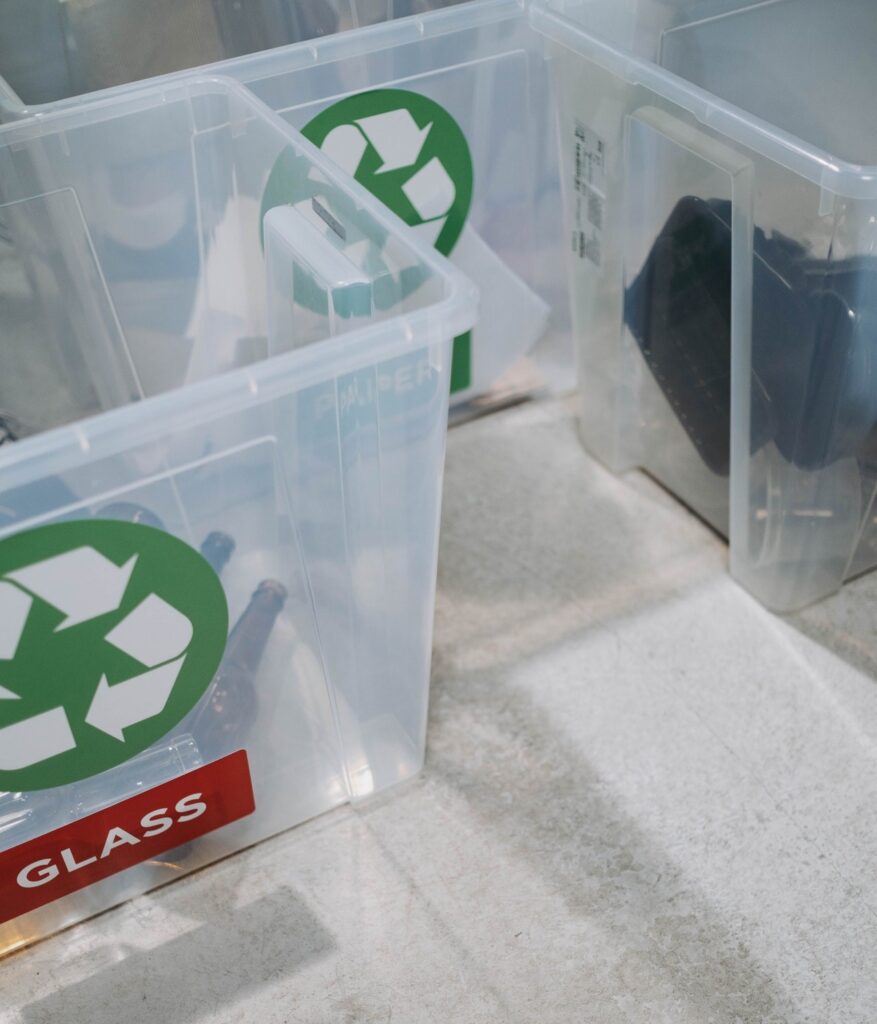
Another way that people can help with sustainability is through recycling and reuse. Many cities and companies offer incentives for those who choose green options instead of using plastic bags. These incentives may include tax breaks on purchases made from local businesses supporting sustainable practices like organic farming!
Conservation Efforts
Conservation is key to ensuring future generations have access to clean water sources and healthy habitats for wildlife, by reducing pollution emissions from factories – which release harmful chemicals into the air – leaving a smaller carbon footprint.
Sustainable Food Supply
An estimated 800 million world’s inhabitants go to bed hungry every night. To end hunger and malnutrition worldwide, we must produce enough food through sustainable means. One way to do this is by using pest-resistant crops that need less fertilizer and water than conventional crops while still producing high yields. Also, sustainable food production alleviates many environmental challenges we face today, in addition to ending poverty.
Economic growth
One of the pressing global challenges is that the population increases while many people are still living in poverty. In such a situation, economic growth is essential. It helps increase productivity, create jobs, and generate the income needed for investment in clean energy and other key areas of sustainable development.
Sustainable Cities
More than half the world’s population now lives in urban areas.
Cities are centers of creativity, innovation, and wealth creation but they also face major challenges such as congestion, crime, and pollution. We need to build sustainable cities by investing in infrastructure, transport systems, and services. These will help to reduce emissions, conserve water and waste less food.

Commitment by World leaders
Our future depends on us all working together for a sustainable planet. This is an intergenerational responsibility, requiring governments to enact policies that will benefit future generations.
World leaders need to make bold decisions and set ambitious goals for 2030 and beyond. The Paris Agreement, the Sustainable Development Goals (SDGs), and the Sendai Framework for Disaster Risk Reduction are examples of commitments made by leaders at the highest level in recent years. These commitments must now be translated into action towards a sustainable future.
How Can You Contribute to a Sustainable Future?
There are so many ways to contribute to a sustainable future, which is wonderful because it means there’s room for everyone.
First, you can start small: find out what your local recycling procedures are and make sure you’re following them. If you don’t know, give your local council or government a call and ask! You can also teach others about what you’ve learned—tackling climate change, plastic waste, renewable energy, and others.
For example, reduce greenhouse gas emissions to encourage a low carbon economy. And if you do end up with extra plastic or things that can’t be reused or recycled? Go to Terracycle.com—they’ll take anything and make sure it gets recycled properly.
“Sustainability is no longer about doing less harm. It’s about doing more good”
Jochen Zeitz
What Makes a Lifestyle Sustainable?
Finding a lifestyle that suits you can be hard. But the thing is, we change, and so do our lives. And knowing how to be sustainable—how to integrate what works for your life now and what’s still to come—is the key to finding that balance.
A sustainable lifestyle is all about making conscious choices that have minimal negative impacts on the environment—but they can also have a positive impact on your own life as well. When you get intentional about living sustainably, you’re taking control of what goes into your body and the impact you have on the world around you.

What Does a Sustainable Future Look Like?
The future of sustainability goes hand-in-hand with a thriving environment. It means healthy forests, clean water, energy efficiency industries, and species that thrive. It also means a healthy economy, renewable energy, and strong communities. A sustainable future really looks like a better world where we will all flourish.
Conclusion
The efforts of scientists, researchers, and environmental activists for a sustainable future are not in vain. Many of them are doing great things to achieve a sustainable future. They might not have a blueprint to what the future will look like but there is no doubt that these people are working hard to ensure that the Earth’s inhabitants flourish. Don’t be left behind, take up your responsibility and start making a sustainable future NOW.